
Research Article
Fear of Hypoglycemia Among Patients with Type 2 Diabetes Mellitus: A Systematic Review and Meta-Analysis (2026)
- Oumer Alemu Ali 1**
- Hiwot Zewde Woldeyes 2
- Olyad Geleta Dida 4*
- Eyob Endalew 2
- Sena Mocha 8
- Hellina Demrew Addisse 8
- Natnael Shewatatek Demissie 5*
- Berhanu Amare Taye 5*
- Abel Merhatsidk Menberu 5
- Yonas Kifle Argaw *9
- Daniel Weldu Gebremedhin 10
- Haymanot Bekele Urga 5
- Bekalu Sintayehu Yegdie *6
- Tsion Wolanewos Asfaw 7
- Tizita Kifle Negash 2
- Betelehem Sebhatu 3
1Department of Internal Medicine, Yekatit 12 Hospital Medical College, Addis Ababa, Ethiopia.
2Department of Medicine, Addis Ababa University College of Health Sciences, Addis Ababa, Ethiopia.
3Department of Medicine, Windsor University School of Medicine, Saint Kitts and Nevis.
4Department of Medicine, Jimma University Institute of Health, Jimma, Ethiopia.
5Department of Medicine, University of Gondar College of Medicine and Health Sciences, Gondar, Ethiopia.
6Department of Medicine, Wachemo University College of Medicine and Health Sciences, Hossana, Ethiopia.
7Department of Medicine, Debre Tabor University College of Medicine and Health Sciences, Debre Tabor, Ethiopia.
8Department of Medicine, Hayat Medical College, Addis Ababa, Ethiopia.
9Department of Medicine, St. Paul's Hospital Millennium Medical College, Addis Ababa, Ethiopia.
10Department of Medicine, College of Health Sciences, Mekelle University, Mekelle, Ethiopia.
*Corresponding Author: Olyad Geleta Dida, Natnael Shewatatek Demissie, Berhanu Amare Taye, Yonas Kifle Argaw and Bekalu Sintayehu Yegdie.
Citation: Oumer A. Ali, Hiwot Z. Woldeyes, Olyad G. Dida, Mocha S., Hellina D. Addisse, et al. (2026). Fear of Hypoglycemia Among Patients with Type 2 Diabetes Mellitus: A Systematic Review and Meta-Analysis (2026), Journal of Endocrinology and Diabetes Research, BioRes Scientia Publishers. 4(1):1-8. DOI: 10.59657/2996-3095.brs.26.025
Copyright: © 2026 Oumer Alemu Ali, this is an open-access article distributed under the terms of the Creative Commons Attribution License, which permits unrestricted use, distribution, and reproduction in any medium, provided the original author and source are credited.
Received: July 16, 2026 | Accepted: July 30, 2026 | Published: August 07, 2026
Abstract
Introduction: Achieving and maintaining optimal glycemic control remains the cornerstone of T2DM management, as it reduces the risk of both microvascular and macrovascular complications. However, intensive glucose-lowering therapies increase the risk of hypoglycemia. Severe hypoglycemia can lead to emergency hospitalization, cardiovascular events, diminished quality of life, and increased mortality. So, this review is aimed to estimate fear of hypoglycemia among type 2 diabetic patients.
Methods and material: PubMed/Medline, Scopus, web of science, psyc INFO, and goggle scholar databases were used for this analysis. We assessed methodological quality using the Joanna Briggs Institute (JBI) critical appraisal checklist. An inverse variance-weighted random-effects model meta-analysis was performed to estimate the pooled prevalence with a 95% confidence interval (CI). The I2 test statistic was used to check between-study heterogeneity, and the Egger's regression statistical test was used to check publication bias. A p-value of less than 0.05 used to declare statistical significance.
Result: All twelve studies were cross-sectional studies had a total of 4711 participants and with good methodological quality. The burden of fear of hypoglycemia ranged from 6-60.4%. The pooled proportion of Fear of hypoglycemia among type 2 diabetic patients was found to be 31.7% (95% CI: 22.0-40.3); the highest prevalence of fear of hypoglycemia 37.0% (95% CI: 20.8-53.2 was seen in Europe, and the lowest 31.3% (95% CI: 18.0-44.6).
Conclusion: Based on this study finding nearly one in three individuals with T2DM experiences Fear of hypoglycemia. Therefore, routine screening should be incorporated into diabetes care, particularly among patients receiving insulin therapy or those with a history of hypoglycemic episodes.
Keywords: diabetes; fear; hypoglycemia adult; Meta-analysis; global
Introduction
Type 2 diabetes mellitus (T2DM) is one of the most prevalent chronic diseases worldwide and a leading cause of morbidity, mortality, and healthcare expenditure. According to the report by the IDF, approximately 537 million individuals globally were affected with diabetes, constituting unevenly 10.5% of the world's populace and increase to 783 million by 2045 [1-4]. Type 1 diabetes mellitus accounts for 5% to 10% of DM and more than 90% of diabetes cases are attributed to T2DM. Furthermore, approximately 42.8% of individuals with diabetes were undiagnosed in 2024, which are 251.7 million adults [5, 6]. Diabetes was responsible for more than 3.4 million deaths worldwide in 2024, comprising 9.3% of global deaths [7]; while global diabetes-related health expenditures exceeded from US $232 billion in 2007 to US $966 billion in 2021 for adults aged 20-79 years–a 316% increase over 15 years [8]. Achieving and maintaining optimal glycemic control remains the cornerstone of T2DM management, as it reduces the risk of both microvascular and macrovascular complications [9-11]. However, intensive glucose-lowering therapies, particularly insulin and insulin secretagogues, increase the risk of hypoglycemia [12]. Hypoglycemia remains one of the most common and feared complication in diabetes cares and represents a major barrier to achieving recommended glycemic targets [13-15].
Hypoglycemia is abnormally low blood glucose levels and may manifest as autonomic symptoms such as sweating, tremors, palpitations, and hunger, or neuroglycopenic symptoms including confusion, impaired cognition, seizures, and loss of consciousness [16]. Severe hypoglycemia can lead to emergency hospitalization, cardiovascular events, diminished quality of life, and increased mortality [17-19]. Fear of hypoglycemia (Fear of hypoglycemia) refers to the excessive worry, anxiety, or apprehension associated with experiencing actual or anticipated hypoglycemic episodes. Fear of hypoglycemia may arise from previous hypoglycemic experiences, concerns regarding loss of control, fear of embarrassment in public settings, or worries about severe outcomes [20, 21]. Patients with elevated Fear of hypoglycemia frequently adopt compensatory behaviors, including maintaining intentionally elevated blood glucose levels, reducing medication doses, avoiding physical activity, or engaging in excessive self-monitoring of blood glucose [22-24].
While Fear of hypoglycemia has traditionally been studied in individuals with type 1 diabetes mellitus, increasing evidence suggests that it is also highly prevalent among patients with T2DM. The expanding use of insulin therapy and other glucose-lowering medications associated with hypoglycemia risk has drawn greater attention to this psychological phenomenon in T2DM populations [25-28]. Previous studies have reported considerable variability in the prevalence and severity of Fear of hypoglycemia among individuals with T2DM. However, the magnitude of Fear of hypoglycemia remains incompletely understood due to heterogeneity across studies. Given the increasing global burden of T2DM and the growing recognition of patient-reported outcomes in diabetes care, understanding the prevalence of Fear of hypoglycemia is essential. Accurate estimates can inform the development of targeted interventions aimed at reducing distress, fear, and optimizing glycemic outcomes. Therefore, the present systematic review and meta-analysis aim to synthesize available evidence on the prevalence of fear of hypoglycemia among patients with type 2 diabetes mellitus.
Objectives of the review
To determine the burden of fear of hypoglycemia among type 2 diabetic patients.
Methods and Materials
Study Design and Reporting Guidelines
This systematic review and meta-analysis were conducted to estimate the pooled burden of fear of hypoglycemia among patients with type 2 diabetes mellitus. The study was performed in accordance with the Preferred Reporting Items for Systematic Reviews and Meta-Analyses (PRISMA) 2020 guidelines [29].
Search Strategy
A comprehensive literature search was conducted in PubMed/MEDLINE, Scopus, Web of Science, PsycINFO, and Google Scholar database from inception up to June 4. The search strategy combined Medical Subject Headings (MeSH) and free-text terms related to type 2 diabetes and fear of hypoglycemia. The search terms included combinations of: "type 2 diabetes mellitus", "T2DM", "fear of hypoglycemia", "hypoglycemia fear", "worry", "anxiety", and "psychological distress". Reference lists of included studies were also manually searched to identify additional eligible studies.
Eligibility Criteria
Studies were included if conducted among adult patients diagnosed with type 2 diabetes mellitus; assessed fear of hypoglycemia; reported prevalence estimates, used observational (cross-sectional, cohort, or case-control) or interventional study designs and published in peer-reviewed journals in English. Whereas: patients with type 1 diabetes mellitus or gestational diabetes; reviews, editorials, conference abstracts, commentaries, or case reports; did not report sufficient data on fear of hypoglycemia; and duplicate publications were excluded from this study.
Study Selection
All identified records were exported into reference management software and duplicates were removed. Two independent reviewers screened titles and abstracts for relevance. Full texts of potentially eligible studies were subsequently assessed against the inclusion criteria. Any disagreements between reviewers were resolved through discussion and consultation with a third reviewer.
Data Extraction
Data extraction was performed independently by all reviewers using a standardized data extraction form. The following information was collected from each study: first author, publication year, country, study design, sample size, and prevalence estimates.
Quality Assessment
The methodological quality of the included studies was assessed independently by all reviewers using the Joanna Briggs Institute (JBI) Critical Appraisal Checklist for prevalence studies and analytical cross-sectional studies, as appropriate. Discrepancies were resolved through consensus. Studies were categorized as having low, moderate, or high risk of bias based on their overall quality scores [30].
Outcome Measures
The primary outcome was the pooled prevalence of fear of hypoglycemia among patients with type 2 diabetes mellitus.
Statistical Analysis
Meta-analysis was conducted using STATA version 14. The pooled prevalence of fear of hypoglycemia was estimated using a random-effects model due to anticipated clinical and methodological heterogeneity among studies. Heterogeneity was assessed using Cochran's Q test and the I² statistic, with I² values of 25%, 50%, and 75% indicating low, moderate, and high heterogeneity, respectively [31]. Subgroup analyses were performed according to geographical region. Sensitivity analyses were conducted by sequentially excluding individual studies to assess the robustness of the pooled estimates. Publication bias was evaluated using funnel plot asymmetry, Egger's regression test. A p-value less than 0.05 was considered statistically significant.
Results
Study selection and characteristics
According to the PRISMA flow diagram, a total of 7651 records were identified through database searching and other sources. After removing 1378 duplicates, 6273 records remained for title and abstract screening. Following screening, 3098 articles were excluded, and 3084 full-text articles were assessed for eligibility. Of these, 4163 studies were excluded for reasons such as inappropriate population, inadequate outcome reporting/mean score. Finally, twelve studies met the eligibility criteria and were included in the systematic review and meta-analysis (Figure 1).
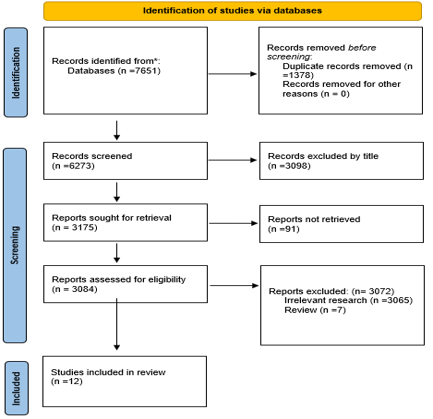
Figure 1: PRISMA flow diagram of study selection for pooled global burden of fear of hypoglycemia among type 2 diabetic patients.
All twelve studies are cross-sectional [32-43] studies had a total of 4711 participants and with good methodological quality. The final sample size for these studies ranged from 64 [41] -1530 [42]. Most studies were conducted in Asia. The burden of fear of hypoglycemia ranged from 6[35] - 60.4 [34] (Table 1).
Table 1: characteristics of the study included in systematic review and meta-analysis.
| Authors name | Publication Year | Study settings | Study design | Sample size | Prevalence with 95% CI(%) |
| Sakane N | 2015 | Japan | Cross-sectional | 355 | 27.7(23.0-32.3) |
| Hapunda G | 2020 | Zambia | Cross-sectional | 157 | 12.6(7.4-17.7) |
| Li S | 2021 | China | Cross-sectional | 286 | 60.4(54.7-66.0) |
| Starostina EG | 2013 | Russia | Cross-sectional | 200 | 6(2.7-9.2) |
| Huang J, | 2022 | China | Cross-sectional | 494 | 17.4(14.0-20.7) |
| Xu J, | 2023 | China | Cross-sectional | 263 | 39(33.1-44.8) |
| Hussain HR | 2025 | Pakistan | Cross-sectional | 310 | 47(41.4-52.5) |
| BAO D | 2020 | China | Cross-sectional | 720 | 44.8(41.1-48.4) |
| Alzahrani A | 2025 | Saudi Arabia | Cross-sectional | 199 | 9.5(5.4-13.5) |
| Grammes J | 2017 | Germany | Cross-sectional | 64 | 36.5(24.7-48.2) |
| Hajós TR | 2014 | Germany | Cross-sectional | 1530 | 26(23.8-28.1) |
| Grammes J | 2018 | Germany | Cross-sectional | 133 | 49.6(41.1-58.0) |
Fear of hypoglycemia among type 2 diabetic patients
The pooled proportion of Fear of hypoglycemia among type 2 diabetic patients was found to be 31.7% (95% CI: 22.0-40.3) with a heterogeneity index of 98.2%, with a P-value of less than 0.001 (Figure 2).
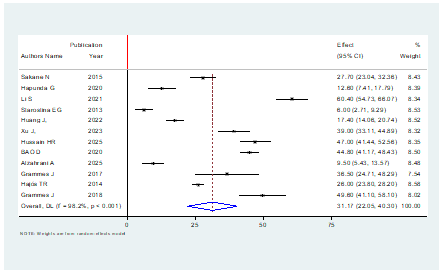
Figure 2: Forest plot showing the pooled global burden of fear of hypoglycemia among type 2 diabetic patients.
Sub-group analysis
The subgroup analysis was conducted based on region. Due to limited studies in Africa only the sub-group analysis results of the other regions are valid. The highest prevalence of fear of hypoglycemia 37.0 % (95% CI: 20.8-53.2, I2 = 93.3%) was seen in Europe, and the lowest 31.3% (95% CI: 18.0.-44.6, I2 = 98.7%) was seen in Asia (Figure 3).
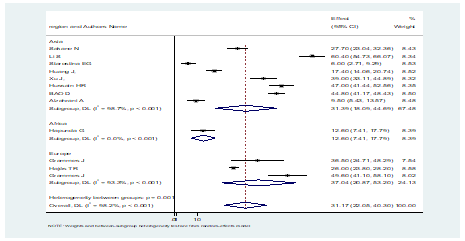
Figure 3: Subgroup analysis of pooled global burden of fear of hypoglycemia among type 2 diabetic patients: by region.
Meta-regression and publication bias
The heterogeneity index of the studies was quite varied. Therefore, meta-regression was conducted using year of publication and sample size as a covariate. The analysis showed that publication year and sample size didn’t have a significant effect on heterogeneity between studies, with a P- value of 0.495 and 0.399 respectively. To check for publication bias, we conducted Egger test, which yielded a non-significant result (P = 0.439). Additionally, the funnel plot was asymmetrical, indicating publication bias (Figure 4).
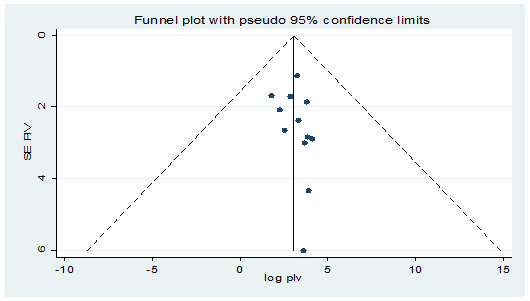
Figure 4: Funnel plot to test publication bias in 12 studies with 95% confidence limits.
Sensitivity analysis
Sensitivity analysis was performed to determine how various sources of uncertainty contribute to the overall uncertainty among the studies, but the results indicated that uncertainty has an insignificant influence on pooled burden (Figure 5).
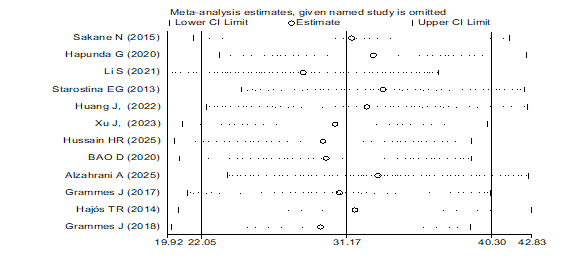
Figure 5: Sensitivity analysis of pooled global burden of fear of hypoglycemia among type 2 diabetic patients for each study being removed one at a time.
Discussion
This systematic review and meta-analysis aimed to synthesize the available evidence on the prevalence of fear of hypoglycemia among individuals with type 2 diabetes mellitus (T2DM). The findings revealed that approximately one-third of patients with T2DM experience with a pooled prevalence of 31.7% (95% CI: 22.0-40.3). These finding highlights it is as a common psychological concern among individuals with T2DM and underscores its importance as a component of comprehensive diabetes management. The observed prevalence is consistent with previous evidence indicating that affects a substantial proportion of people living with diabetes and remains one of the most significant psychological consequences of hypoglycemia [44]. Although Fear of hypoglycemia has traditionally been studied more extensively among individuals with type 1 diabetes, the systematic review demonstrated that Fear of hypoglycemia is also highly prevalent among patients with T2DM, particularly among those receiving insulin therapy or those with a history of hypoglycemic episodes [45].
The relatively high prevalence observed in the present review may be explained by the potentially serious consequences of hypoglycemia, including confusion, impaired cognitive function, loss of consciousness, seizures, cardiovascular events, and, in severe cases, death [46]. Such experiences can lead patients to develop persistent anxiety and concerns regarding future hypoglycemic episodes. Fear of hypoglycemia often develops as a learned response following actual or perceived hypoglycemic events and may persist even when glycemic control improves [44].
The findings also support the conclusions reported by previous study that Fear of hypoglycemia negatively influences self-management behaviors, treatment adherence, emotional well-being, and quality of life among individuals with diabetes. Fear of hypoglycemia has been associated with increased psychological distress, reduced confidence in diabetes self-care, and poorer glycemic outcomes [45].
Subgroup analysis by geographic region showed variations in the prevalence of Fear of hypoglycemia. The highest pooled prevalence was observed in Europe (37.0%; 95% CI: 20.8-53.2), whereas the lowest prevalence was reported in Asia (31.3%; 95% CI: 18.0-44.6). Several factors may explain these regional differences. European countries generally have greater awareness of psychological aspects of diabetes care and more frequent use of validated instruments for assessing Fear of hypoglycemia. Increased patient education regarding hypoglycemia and its potential consequences may heighten awareness and reporting of fear-related symptoms.
Conversely, the slightly lower prevalence observed in Asia may reflect differences in healthcare systems, cultural perceptions of illness, reporting behaviors, diabetes treatment patterns, and access to psychological assessment. Furthermore, variations in study populations, measurement tools, and clinical characteristics across the regions may have influenced the pooled estimate.
The high heterogeneity highlights the complex and multifactorial nature of Fear of hypoglycemia among individuals with T2DM. Previous research has identified several determinants of Fear of hypoglycemia, including female sex, younger age, insulin use, previous severe hypoglycemic events, longer diabetes duration, poor glycemic control, and coexisting psychological distress. Differences in the distribution of these factors across study populations may explain some of the variability in prevalence estimates. Consequently, future studies should employ standardized measurement tools and reporting methods to improve comparability across settings.
Conclusion
Based on this study nearly one in three individuals with T2DM experiences a fear of hypoglycemia. Therefore, routine screening should be incorporated into diabetes care, particularly among patients receiving insulin therapy or those with a history of hypoglycemic episodes. Educational interventions focused on hypoglycemia prevention, self-management skills, and psychological support may help reduce fear and improve treatment adherence. Furthermore, integrating psychosocial assessment into routine diabetes management could contribute to better glycemic outcomes and enhanced quality of life. Further research is needed to identify effective interventions for reducing Fear of hypoglycemia and to explore factors contributing to regional variations in its prevalence.
Limitation of the study
Several limitations should be considered when interpreting these findings. First, the substantial heterogeneity across studies limits the precision of the pooled estimates. Second, most included studies were cross-sectional in nature, precluding causal inferences regarding factors associated with Fear of hypoglycemia. Finally, regional subgroup analyses were based on a limited number of studies in some settings, which may have influenced the stability of the pooled estimates.
Declarations
Ethics approval and consent to participant
Not applicable.
Consent for publication
Not applicable.
Availability of data and materials
all the data analyzed during the current systematic review and meta-analysis is available with reasonable request from corresponding author.
Competing interests
all the authors declare that they have no competing interests.
Funding
Not applicable.
Acknowledgment
We would like to thank all authors of studies included in this systematic review and meta-analysis.
References
- Samant, A. C., Jha, H., & Kamal, P. (2025). Systematic review: Risk factors for developing type 2 diabetes mellitus. European Journal of Cardiovascular Medicine, 15(1).
Publisher | Google Scholor - Galicia-Garcia, U., Benito-Vicente, A., Jebari, S., Larrea-Sebal, A., Siddiqi, H., Uribe, K. B., Ostolaza, H., & Martín, C. (2020). Pathophysiology of type 2 diabetes mellitus. International Journal of Molecular Sciences, 21(17):6275.
Publisher | Google Scholor - Abdul Basith Khan, M., Hashim, M. J., King, J. K., Govender, R. D., Mustafa, H., & Al Kaabi, J. (2020). Epidemiology of type 2 diabetes—Global burden of disease and forecasted trends. Journal of Epidemiology and Global Health, 10(1):107–111.
Publisher | Google Scholor - Hossain, M. J., Al-Mamun, M., & Islam, M. R. (2024). Diabetes mellitus, the fastest growing global public health concern: Early detection should be focused. Health Science Reports, 7(3):e2004.
Publisher | Google Scholor - Goyal, R., Singhal, M., & Jialal, I. (2023). Type 2 diabetes. In StatPearls. StatPearls Publishing.
Publisher | Google Scholor - Teufel, F., Orgutsova, K., Genitsaridi, I., Carrillo-Larco, R. M., Varghese, J. S., et al. (2026). Global, regional, and national estimates of undiagnosed diabetes in adults: Findings from the 2025 IDF Diabetes Atlas. Diabetes Care. Advance online publication.
Publisher | Google Scholor - Duncan, B. B., Magliano, D. J., & Boyko, E. J. (2026). IDF Diabetes Atlas 11th edition 2025: Global prevalence and projections for 2050. Nephrology Dialysis Transplantation, 41(1):7–9.
Publisher | Google Scholor - Bommer, C., Heesemann, E., Sagalova, V., Manne-Goehler, J., Atun, R., Bärnighausen, T., & Vollmer, S. (2017). The global economic burden of diabetes in adults aged 20–79 years: A cost-of-illness study. The Lancet Diabetes & Endocrinology, 5(6):423–430.
Publisher | Google Scholor - Rakhis Sr, S. A., AlDuwayhis, N. M., Aleid, N., AlBarrak, A. N., & Aloraini, A. A. (2022). Glycemic control for type 2 diabetes mellitus patients: A systematic review. Cureus, 14(6).
Publisher | Google Scholor - Rodriguez-Gutierrez, R., Gonzalez-Gonzalez, J. G., Zuñiga-Hernandez, J. A., & McCoy, R. G. (2019). Benefits and harms of intensive glycemic control in patients with type 2 diabetes. BMJ, 367:l5887.
Publisher | Google Scholor - Sun, S., Hisland, L., Grenet, G., Gueyffier, F., Cornu, C., Jaafari, N., & Boussageon, R. (2022). Reappraisal of the efficacy of intensive glycaemic control on microvascular complications in patients with type 2 diabetes: A meta-analysis of randomized controlled trials. Thérapie, 77(4):413–423.
Publisher | Google Scholor - Silbert, R., Salcido-Montenegro, A., Rodriguez-Gutierrez, R., Katabi, A., & McCoy, R. G. (2018). Hypoglycemia among patients with type 2 diabetes: Epidemiology, risk factors, and prevention strategies. Current Diabetes Reports, 18(8):53.
Publisher | Google Scholor - Adolfsson, P., Rentoul, D., Klinkenbijl, B., & Parkin, C. G. (2018). Hypoglycaemia remains the key obstacle to optimal glycaemic control—Continuous glucose monitoring is the solution. European Endocrinology, 14(2):50.
Publisher | Google Scholor - Amiel, S. A. (2021). The consequences of hypoglycaemia. Diabetologia, 64(5):963–970.
Publisher | Google Scholor - Muneer, M. (2020). Hypoglycaemia. In Diabetes: From research to clinical practice: Volume 4 (43–69).
Publisher | Google Scholor - Freeland, B. (2017). Hypoglycemia in diabetes mellitus. Home Healthcare Now, 35(8):414–419.
Publisher | Google Scholor - Yeh, J. S., Sung, S. H., Huang, H. M., Yang, H. L., You, L. K., et al. (2016). Hypoglycemia and risk of vascular events and mortality: A systematic review and meta-analysis. Acta Diabetologica, 53(3):377–392.
Publisher | Google Scholor - Rossi, M. C., Nicolucci, A., Ozzello, A., Gentile, S., Aglialoro, A., et al. (2019). Impact of severe and symptomatic hypoglycemia on quality of life and fear of hypoglycemia in type 1 and type 2 diabetes: Results of the Hypos-1 observational study. Nutrition, Metabolism and Cardiovascular Diseases, 29(7):736–743.
Publisher | Google Scholor - Lee, A. K., Warren, B., Lee, C. J., McEvoy, J. W., Matsushita, K., et al. (2018). The association of severe hypoglycemia with incident cardiovascular events and mortality in adults with type 2 diabetes. Diabetes Care, 41(1):104–111.
Publisher | Google Scholor - Przezak, A., Bielka, W., & Molęda, P. (2022). Fear of hypoglycemia—An underestimated problem. Brain and Behavior, 12(7):e2633.
Publisher | Google Scholor - Abitbol, L., & Palmert, M. R. (2021). When low blood sugars cause high anxiety: Fear of hypoglycemia among parents of youth with type 1 diabetes mellitus. Canadian Journal of Diabetes, 45(5):403–410.
Publisher | Google Scholor - AlRasheed, A. Y., Hashim, H., & Alrofaie, H. (2024). Adherence to self-monitoring of blood glucose and its related factors among type 2 diabetic patients attending Al-Ahsa primary health care centers in Saudi Arabia. Cureus, 16(7).
Publisher | Google Scholor - Dewi, E. U., Widari, N. P., Nursalam, N., Mahmudah, M., Sari, E. Y., & Ning, Y. F. (2023). The relationship between diabetes self-care management and blood glucose level among type 2 diabetes mellitus patients. International Journal of Public Health Science, 12, 1165–1172.
Publisher | Google Scholor - Parsons, S., Luzio, S., Bain, S., Harvey, J., McKenna, J., et al. (2017). Self-monitoring of blood glucose in non-insulin-treated type 2 diabetes (The SMBG Study): Study protocol for a randomized controlled trial. BMC Endocrine Disorders, 17(1):4.
Publisher | Google Scholor - Martyn-Nemeth, P., Duffecy, J., Quinn, L., Park, C., Mihailescu, D., & Penckofer, S. (2019). A cognitive behavioral therapy intervention to reduce fear of hypoglycemia in young adults with type 1 diabetes (FREE): Study protocol for a randomized controlled trial. Trials, 20(1):796.
Publisher | Google Scholor - Berkovic, M. C., Bilic-Curcic, I., Sabolic, L. L., Mrzljak, A., & Cigrovski, V. (2021). Fear of hypoglycemia, a game changer during physical activity in type 1 diabetes mellitus patients. World Journal of Diabetes, 12(5):569–579.
Publisher | Google Scholor - Li, J., Wang, Y., Yang, X., Zhu, H., & Jiang, Z. (2024). Drug-induced hypoglycemia: A disproportionality analysis of the FAERS database. Expert Opinion on Drug Safety, 23(8):1061–1067.
Publisher | Google Scholor - Zhang, L., Xu, H., Liu, L., Bi, Y., Li, X., et al. (2022). Related factors associated with fear of hypoglycemia in parents of children and adolescents with type 1 diabetes: A systematic review. Journal of Pediatric Nursing, 66:125–135.
Publisher | Google Scholor - Page, M. J., McKenzie, J. E., Bossuyt, P. M., Boutron, I., Hoffmann, T. C., et al. (2021). The PRISMA 2020 statement: An updated guideline for reporting systematic reviews. BMJ, 372:n71.
Publisher | Google Scholor - Munn, Z., Moola, S., Lisy, K., Riitano, D., & Tufanaru, C. (2017). Systematic reviews of prevalence and incidence. In Joanna Briggs Institute reviewer’s manual. The Joanna Briggs Institute.
Publisher | Google Scholor - Higgins, J. P. T., Thompson, S. G., Deeks, J. J., & Altman, D. G. (2003). Measuring inconsistency in meta-analyses. BMJ, 327(7414):557–560.
Publisher | Google Scholor - Sakane, N., Kotani, K., Tsuzaki, K., Nishi, M., Takahashi, K., et al. (2015). Fear of hypoglycemia and its determinants in insulin-treated patients with type 2 diabetes mellitus. Journal of Diabetes Investigation, 6(5):567–570.
Publisher | Google Scholor - Hapunda, G., Abubakar, A., Pouwer, F., & Van De Vijver, F. (2020). Correlates of fear of hypoglycemia among patients with type 1 and 2 diabetes mellitus in outpatient hospitals in Zambia. International Journal of Diabetes in Developing Countries, 40(4):619–626.
Publisher | Google Scholor - Li, S., Fang, L., Lee, A., Hayter, M., Zhang, L., Bi, Y., et al. (2021). The association between diabetes-related distress and fear of hypoglycaemia in patients with type 2 diabetes mellitus: A cross-sectional descriptive study. Nursing Open, 8(4):1668–1677.
Publisher | Google Scholor - Starostina, E. G., & Moshnyaga, E. N. (2013). Fear of hypoglycemia and its clinical significance: A case-control study. Diabetes Mellitus, 16(3):46–51.
Publisher | Google Scholor - Huang, J., Peng, W., Ding, S., Xiong, S., & Liu, Z. (2022). Fear of hypoglycemia and associated factors in hospitalized patients with type 2 diabetes: A cross-sectional study. Scientific Reports, 12(1):20338.
Publisher | Google Scholor - Xu, J., Xiao, S., Xie, X., Kang, Y., Peng, D., & Lu, Y. (2023). Latent profile analysis of fear of hypoglycemia in middle-aged and elderly hospitalized patients with type 2 diabetes and its relationship with sleep quality. Diabetes, Metabolic Syndrome and Obesity, 3641–3654.
Publisher | Google Scholor - Hussain, H. R., Ahmed, N., Akram, M. W., Gulzar, F., Khan, J. A., Asad, M., et al. (2025). Fear of hypoglycemia: A key predictor of sleep quality among the diabetic population. Frontiers in Endocrinology, 16:1456641.
Publisher | Google Scholor - Bao, D., Yu, H., Cheng, Z., Xu, H., Wang, Q., & Xing, Q. (2020). Prevalence and influencing factors of fear of hypoglycemia in elderly diabetic patients. Chinese General Practice, 23(30):3775.
Publisher | Google Scholor - Alzahrani, A., Alfarsi, O., Asraf, N. O., Alghamdi, B. S., Alageel, N. A., et al. (2025). Prevalence and risk factors of fear of hypoglycemia among diabetic pregnant women at King Abdulaziz Medical City–Jeddah (KAMC-J):Saudi Arabia. Journal of Family Medicine and Primary Care, 14(9):3900–3904.
Publisher | Google Scholor - Grammes, J., Stock, W., Mann, C. G., Flynn, E. M., & Kubiak, T. (2017). Focus group study to identify the central facets of fear of hypoglycaemia in people with type 2 diabetes mellitus. Diabetic Medicine, 34(12):1765–1772.
Publisher | Google Scholor - Hajós, T. R., Polonsky, W. H., Pouwer, F., Gonder-Frederick, L., & Snoek, F. J. (2014). Toward defining a cutoff score for elevated fear of hypoglycemia on the Hypoglycemia Fear Survey worry subscale in patients with type 2 diabetes. Diabetes Care, 37(1):102–108.
Publisher | Google Scholor - Grammes, J., Schäfer, M., Benecke, A., Löw, U., Klostermann, A. L., Kubiak, T., & Witthöft, M. (2018). Fear of hypoglycemia in patients with type 2 diabetes: The role of interoceptive accuracy and prior episodes of hypoglycemia. Journal of Psychosomatic Research, 105:58–63.
Publisher | Google Scholor - Gonder-Frederick, L. (2013). Fear of hypoglycemia: A review. Diabetic Hypoglycemia, 5(3):3–11.
Publisher | Google Scholor - Zhang, Y., Li, S., Zou, Y., Wu, X., Bi, Y., Zhang, L., et al. (2021). Fear of hypoglycaemia in patients with type 1 and 2 diabetes: A systematic review. Journal of Clinical Nursing, 30(1–2):72–82.
Publisher | Google Scholor - Graveling, A. J., & Frier, B. M. (2009). Hypoglycemia: An overview. Primary Care Diabetes, 3(3):131–139.
Publisher | Google Scholor