
Research Article
Evaluation of Antidepressant and Anxiolytic Properties of Ethanol Extract of Blighia Sapida Leaves on Pentylenetetrazole-induced Depression and Anxiety in Adult Male Albino Mice
- John K Okoro 1*
- Bright C Chukwu 2
- Augustine T Ezike 3
- Nnamdi Ejieh 3
- Confidence C Agu 4
- David O Awonowo 3
- Efejeror D Okereka 1
- Mayowa O Adu 3
- Azunna Uchenna 5
- Feyi O Ogundare 6
1Department of Pharmacology and Therapeutics, Faculty of Basic Clinical Sciences, Afe Babalola University, Ado - Ekiti, Ekiti State, Nigeria.
2Department of Human Anatomy, Faculty of Basic Medical Sciences, Afe Babalola University, Ado - Ekiti, Ekiti State, Nigeria.
3Department of Human Physiology, Faculty of Basic Medical Sciences, Afe Babalola University, Ado - Ekiti, Ekiti State, Nigeria.
4Department of Medical Laboratory Science, Faculty of Allie Health Sciences, Afe Babalola University, Ado - Ekiti, Ekiti State, Nigeria.
5Department of Human Physiology, Faculty of Basic Medical Sciences, Abia State University, Uturu, Nigeria.
6Department of Optometry, Faculty of Allie Health Sciences, Afe Babalola University, Ado - Ekiti, Ekiti State, Nigeria.
*Corresponding Author: John K Okoro, Department of Pharmacology and Therapeutics, Faculty of Basic Clinical Sciences, Afe Babalola University, Ado - Ekiti, Ekiti State, Nigeria.
Citation: John K Okoro, Bright C Chukwu, Augustine T Ezike, Ejieh N, Confidence C Agu, et al. (2026). Evaluation of Antidepressant and Anxiolytic Properties of Ethanol Extract of Blighia Sapida Leaves on Pentylenetetrazole-induced Depression and Anxiety in Adult Male Albino Mice, Journal of BioMed Research and Reports, BioRes Scientia Publishers. 10(4):1-8. DOI: 10.59657/2837-4681.brs.26.245
Copyright: © 2026 John K Okoro, this is an open-access article distributed under the terms of the Creative Commons Attribution License, which permits unrestricted use, distribution, and reproduction in any medium, provided the original author and source are credited.
Received: March 11, 2026 | Accepted: March 25, 2026 | Published: April 01, 2026
Abstract
Depression and anxiety are among the most prevalent mental health disorders worldwide. They frequently occur together and share several overlapping symptoms, including sleep disturbances, fatigue, and impaired concentration. Depression is typically characterized by persistent low mood, loss of interest or pleasure in daily activities, changes in appetite, reduced energy levels, and feelings of worthlessness. Anxiety, on the other hand, is marked by excessive and uncontrollable worry, restlessness, and physical manifestations such as heart palpitations and muscle tension. In this study, thirty adult male albino mice were obtained from the Animal Research Centre of Afe Babalola University, Ado-Ekiti, Nigeria. The animals were weighed and randomly assigned to six groups, each containing five mice. Group 1 served as the control group and received only water. Group 2 received pentylenetetrazole (PTZ) at a dose of 40 mg/kg and served as the disease group. Group 3 received PTZ in combination with sodium valproate (100 mg/kg) and served as the standard treatment group. Groups 4, 5, and 6 received PTZ along with ethanol extract of Blighia Sapida leaves at doses of 100 mg/kg, 200 mg/kg, and 400 mg/kg respectively. The experimental period lasted for 22 days. During this time, animals in groups 2 to 6 received PTZ on alternate days, resulting in a total of 11 administrations. After completion of the treatment period, a one-day interval was allowed before behavioral assessments were carried out. On day 24, all animals were subjected to a series of behavioral tests used to evaluate anxiety and depression-like behaviors. These included the Elevated Plus Maze test, Open Field test, Tail Suspension test, and Forced Swim test. The findings indicate that treatment with the ethanol extract of Blighia Sapida leaves improved behavioral outcomes associated with anxiety and depression in the experimental animals. The observed effects suggest potential neuroprotective properties of the extract. Overall, the study demonstrates that ethanol leaf extract of Blighia Sapida may exert protective effects against anxiety- and depression-like behaviors. Further investigations are recommended to isolate and characterize the specific bioactive compounds responsible for the observed antidepressant and anxiolytic activities.
Keywords: depression; anxiety; forced swim test; tail suspension test; open field test; elevated plus maze
Introduction
Depression is a common mental health disorder characterized by persistent sadness and a loss of interest in once enjoyable activities. According to the World Health Organization, depression affects millions of individuals globally and significantly interferes with daily functioning and overall quality of life [1]. Recent estimates indicate that approximately 3.3% of the global population, equivalent to about 280 million people, experience depressive disorders [2]. Unlike ordinary fluctuations in mood, depression can disrupt several aspects of life, including family relationships, friendships, social interactions, and occupational performance. Individuals who have experienced traumatic events such as abuse, significant loss, or prolonged stress are particularly vulnerable to developing depressive disorders [3].
Anxiety represents another prevalent psychological condition that frequently coexists with depression. It is typically described as a state of excessive fear, tension, or worry that arises in response to real or perceived threats. Anxiety is often associated with an unpleasant emotional state in which the underlying cause may be unclear or perceived as uncontrollable [4]. Persistent anxiety can impair cognitive performance, emotional stability, and social functioning.
The search for safer and more effective treatments for mood disorders has increasingly drawn attention to medicinal plants with neuroprotective properties. Blighia Sapida, commonly known as akee, is a tropical African plant widely recognized for both its nutritional and medicinal value. Various parts of the plant have been traditionally used in herbal medicine. Phytochemical investigations have revealed that the leaves contain several bioactive compounds, including flavonoids, alkaloids, and saponins, which exhibit antioxidant, anti-inflammatory, and neuroprotective activities [5].
Oxidative stress and neuroinflammation have been identified as important mechanisms involved in the pathophysiology of neurological and psychiatric disorders, including epilepsy and depression. Consequently, plant-derived compounds with antioxidant and anti-inflammatory properties are increasingly being investigated for their therapeutic potential. Experimental studies suggest that many phytochemicals can modulate excitatory and inhibitory neurotransmitter systems, reduce oxidative damage, and suppress neuroinflammatory pathways, thereby improving neurological outcomes [6]. Based on these properties, Blighia Sapida leaves may possess pharmacological potential in the management of neurological and mood disorders.
Materials and Methods
Plant Collection, Identification and Authentication
Fresh leaves of Blighia Sapida were collected and subsequently authenticated by a certified plant taxonomist in the Department of Botany, Faculty of Science, Ekiti State University. Identification and authentication were conducted according to standard botanical procedures. A voucher specimen was deposited in the departmental herbarium with the authentication number 2025042 for future reference.
Experimental Animals
Thirty adult male albino mice weighing between 22 g and 25 g were used for the study. The animals were obtained from the Central Animal House of Afe Babalola University, Ado-Ekiti. They were housed in wire gauze cages under standard laboratory conditions with an ambient temperature of approximately 22°C and adequate illumination. The mice were acclimatized for two weeks before the commencement of the experiment. Throughout the study period, the animals had free access to commercial feed and clean drinking water. All experimental procedures were conducted in accordance with institutional ethical guidelines and were approved by the University Animal Care and Use Research Ethics Committee.
Drugs, Reagents and Equipment
Pentylenetetrazole (PTZ) was obtained from Sigma Chemical Company, USA. Sodium valproate was purchased from the Afe Babalola University Pharmacy. Analytical grade ethanol, buffers, and other reagents were sourced from reputable chemical suppliers. Laboratory equipment used in this study included a rotary evaporator, Soxhlet extractor, tail suspension apparatus, forced swim test apparatus, open field chamber, and elevated plus maze apparatus, all of which were available in the Pharmacology Laboratory of Afe Babalola University, Ado-Ekiti.
Extraction Procedure
The collected leaves were shade-dried at room temperature and subsequently pulverized into a fine powder. The powdered material was extracted using 50% ethanol in a Soxhlet extraction apparatus for 48 hours. The resulting filtrate was concentrated under reduced pressure using a rotary evaporator at a controlled low temperature. The dried extract was stored under refrigerated conditions. Fresh solutions were prepared in distilled water prior to administration. The extract was administered orally once daily for a period of 22 consecutive days.
Acute Toxicity and LD50 Determination
Acute Toxicity Study
The acute toxicity of the ethanol leaf extract of Blighia Sapida was evaluated using the method described by Lorke [7]. The procedure was conducted in two phases.
Phase I
Nine mice were used in the first phase and divided into three groups containing three animals each. The first group received 10 mg/kg of the extract, the second group received 100 mg/kg, and the third group received 1000 mg/kg. The extract was administered orally. The animals were monitored for 24 hours for signs of toxicity, behavioural changes, or mortality. No mortality or significant behavioural alterations were observed during this period.
Phase II
In the second phase, three mice were used, each representing a separate group. The animals received oral doses of 1600 mg/kg, 2900 mg/kg, and 5000 mg/kg of the extract, respectively. Observations were conducted over a 24-hour period. The mouse that received 1600 mg/kg exhibited restlessness, persistent sneezing, and watery faecal discharge. The animal that received 2900 mg/kg displayed swelling around the jaw region, yellowish urine, and reduced exploratory activity. The mouse that received 5000 mg/kg died within 24 hours of extract administration.
Determination of LD50
The median lethal dose (LD₅₀) was calculated as the square root of the product of the minimum lethal dose and the maximum non-lethal dose.
Minimum lethal dose = 1600 mg/kg
Maximum lethal dose = 5000 mg/kg
LD50 = 
LD50 =
LD50 = 2828.43mg/kg
To estimate the margin of safety, 20% of the LD₅₀ value was calculated:
20% × 2828.43 = 566 mg/kg
Thus, the calculated margin of safety for the extract was 566 mg/kg.
Induction of Depression and Anxiety and Experimental Design
Depression-like and anxiety-like behaviours were induced using the pentylenetetrazole (PTZ) kindling model as described by Kiasalari and Khalili [8]. The mice were randomly assigned to six groups consisting of five animals each.
Group 1 served as the normal control and received distilled water.
Group 2 received PTZ only and served as the disease control group.
Group 3 received PTZ together with sodium valproate (100 mg/kg) and served as the standard treatment group.
Group 4 received PTZ together with the plant extract at a dose of 100 mg/kg.
Group 5 received PTZ together with the extract at a dose of 200 mg/kg.
Group 6 received PTZ together with the extract at a dose of 400 mg/kg.
Administration of the extract lasted for 22 days. Groups 2 to 6 received PTZ at a dose of 40 mg/kg on alternate days, resulting in a total of 11 PTZ administrations. After the 22-day treatment period, a one-day interval was allowed before behavioural assessments were conducted.
On day 24, animals from all groups were subjected to behavioural tests including the Elevated Plus Maze, Open Field Test, Tail Suspension Test, and Forced Swim Test to evaluate anxiety- and depression-like behaviours [9].
Statistical Analysis
All data obtained from the behavioural experiments were analyzed using descriptive statistics and independent t-test analysis. Results were expressed as mean values with measures of dispersion.
Results
The behavioural responses observed across the experimental groups are presented in Table 1. The normal control group (Group 1) recorded mean values of 24.1 in the elevated plus maze test, 88 in the tail suspension test, 46.6 in the open field test, and 107.4 in the forced swim test. The disease control group (Group 2), which received PTZ only, showed higher mean values in most of the behavioural assessments, with 59.4 in the elevated plus maze test, 146.4 in the tail suspension test, 39.6 in the open field test, and 181.2 in the forced swim test. The standard treatment group (Group 3), treated with PTZ and sodium valproate (100 mg/kg), recorded mean values of 50.14 for the elevated plus maze test, 124.4 for the tail suspension test, 38.2 for the open field test, and 182.4 for the forced swim test.
Groups treated with the plant extract showed varying responses across the behavioural tests. Group 4 (PTZ + 100 mg/kg extract) had mean values of 51.44 in the elevated plus maze test, 101 in the tail suspension test, 50 in the open field test, and 136.6 in the forced swim test. Group 5 (PTZ + 200 mg/kg extract) recorded 46.12 in the elevated plus maze test, 104.6 in the tail suspension test, 52 in the open field test, and 123.8 in the forced swim test. Group 6 (PTZ + 400 mg/kg extract) showed mean values of 41.44 in the elevated plus maze test, 118.6 in the tail suspension test, 56 in the open field test, and 116.2 in the forced swim test (Table 1).
The graphical trend of the behavioural responses across the groups is illustrated in Figure 1. The pattern presented in the figure indicates that the elevated plus maze, tail suspension test, and open field test displayed a gradual decline in the values observed in Group 3 compared with other groups.
The descriptive statistics of the behavioural tests are summarized in Table 2. A total sample size of 30 was recorded for each test. The elevated plus maze test had a mean value of 45.44 with a variance of 180.10, a standard deviation of 13.42, and a standard error of the mean of 2.45. The tail suspension test showed an average value of 113.83 with a variance of 763.52, a standard deviation of 27.63, and a standard error of 5.04. The open field test had a mean value of 47.07 with a variance of 98.62, a standard deviation of 9.93, and a standard error of 1.81. The forced swim test recorded a mean value of 141.27 with a variance of 1401.58, a standard deviation of 37.44, and a standard error of 6.84 (Table 2).
The analysis of variance across the groups is presented in Table 3. The results indicate that the group factor produced a sum of squares of 19,871.09 with 5 degrees of freedom and a mean square value of 3974.22, yielding an F-value of 13.38 and a p-value of 6.73 × 10⁻¹⁰. The PTZ and extract treatment factor showed a sum of squares of 209,602.9 with 3 degrees of freedom and a mean square value of 69,867.65, resulting in an F-value of 235.30 and a p-value of 4.17 × 10⁻⁴⁴. The interaction between PTZ and group produced a sum of squares of 22,494.96 with 15 degrees of freedom and a mean square of 1,499.66, giving an F-value of 5.05 and a p-value of 3.2 × 10⁻⁷. The residual error had a sum of squares of 28,504.84 with 96 degrees of freedom and a mean square value of 296.93 (Table 3).
Pairwise comparisons among the behavioural tests are presented in Table 4. The elevated plus maze test differed significantly from the tail suspension test, with a mean difference of −68.39 (p < 0.001), and also from the forced swim test, with a mean difference of −95.83 (p < 0.001). However, the comparison between the elevated plus maze and the open field test showed no statistically significant difference (p = 0.799). The tail suspension test also differed significantly from the open field test (mean difference = 66.77, p < 0.001) and from the forced swim test (mean difference = −27.43, p < 0.001). Similarly, the open field test differed significantly from the forced swim test, with a mean difference of −94.20 (p < 0.001) (Table 4).
Table 1: The Mean of the tests per group of the experiment
| Group | Elevated plus maze (EPLM) | Tail suspension test | Open field test | Forced swim test |
| GP1 | 24.1 | 88 | 46.6 | 107.4 |
| GP2 | 59.4 | 146.4 | 39.6 | 181.2 |
| GP3 | 50.14 | 124.4 | 38.2 | 182.4 |
| GP4 | 51.44 | 101 | 50 | 136.6 |
| GP5 | 46.12 | 104.6 | 52 | 123.8 |
| GP6 | 41.44 | 118.6 | 56 | 116.2 |
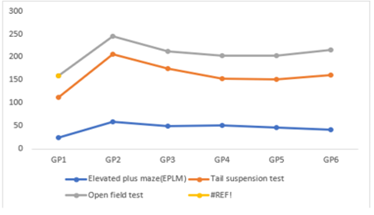
Figure 1: The trends of the tests per group
Table 2: The Descriptive statistics of the Tests
| Parameter | Sample | Average | Variance | SD | SEM |
| Elevated plus maze (EPLM) | 30 | 45.44 | 180.1032 | 13.42025 | 2.450192 |
| Tail suspension test | 30 | 113.8333 | 763.523 | 27.63192 | 5.044875 |
| Open field test | 30 | 47.06667 | 98.61609 | 9.930564 | 1.813065 |
| Forced swim test | 30 | 141.2667 | 1401.582 | 37.4377 | 6.835158 |
This table presents the descriptive statistics tests across different groups.
Table 3: ANOVA of the Tests across the group
| Source of Variation | SS | df | MS | F | P-value | F crit |
| Group | 19871.09 | 5 | 3974.218 | 13.38456 | 6.73E-10 | 2.309202 |
| PTZ+Extract | 209602.9 | 3 | 69867.65 | 235.3037 | 4.17E-44 | 2.699393 |
| PTZ*Group | 22494.96 | 15 | 1499.664 | 5.050641 | 3.2E-07 | 1.7718 |
| Error | 28504.84 | 96 | 296.9255 | |||
| Total | 280473.8 | 119 |
Table 4: Independent t-Test
| (I) FACTOR | Mean Difference (I-J) | Std. Error | Sig. | 95% Confidence Interval | ||
| Lower Bound | Upper Bound | |||||
| Elevated plus maze (EPLM) | Tail suspension test | -68.3933* | 6.38204 | .000 | -81.0338 | -55.7529 |
| Open field test | -1.62667 | 6.38204 | .799 | -14.2671 | 11.0138 | |
| Forced swim test | -95.8266* | 6.38204 | .000 | -108.4671 | -83.1862 | |
| Tail suspension test | Elevated plus maze (EPLM) | 68.39333* | 6.38204 | .000 | 55.7529 | 81.0338 |
| Open field test | 66.76667* | 6.38204 | .000 | 54.1262 | 79.4071 | |
| Forced swim test | -27.4333* | 6.38204 | .000 | -40.0738 | -14.7929 | |
| Open field test | Elevated plus maze (EPLM) | 1.62667 | 6.38204 | .799 | -11.0138 | 14.2671 |
| Tail suspension test | -66.767* | 6.38204 | .000 | -79.4071 | -54.1262 | |
| Forced swim test | -94.200* | 6.38204 | .000 | -106.8404 | -81.5596 | |
| Forced swim test | Elevated plus maze (EPLM) | 95.8267* | 6.38204 | .000 | 83.1862 | 108.4671 |
| Tail suspension test | 27.433* | 6.38204 | .000 | 14.7929 | 40.0738 | |
| Open field test | 94.20000* | 6.38204 | .000 | 81.5596 | 106.8404 | |
Significant at 0.05
Discussion
The present study investigated the antidepressant and anxiolytic effects of ethanol extract of Blighia Sapida leaves in adult male albino mice subjected to pentylenetetrazole (PTZ)-induced depression and anxiety. Behavioral paradigms such as the elevated plus maze, tail suspension test, open field test, and forced swim test were employed because they are widely accepted experimental models for evaluating anxiety- and depression-related behaviors in rodents. These tests allow researchers to assess exploratory behavior, locomotor activity, and behavioral despair, which collectively provide insight into the neuropsychopharmacological potential of candidate therapeutic agents.
The results of this study clearly demonstrate that PTZ administration significantly altered behavioral patterns associated with anxiety and depressive states. The disease control group (Group 2), which received PTZ alone, exhibited markedly elevated scores in several behavioral despair tests, particularly in the tail suspension and forced swim tests, indicating pronounced depressive-like behavior. PTZ is known to induce neuronal hyperexcitability and oxidative stress in the central nervous system, which can disrupt neurotransmitter balance and produce anxiety- and depression-like behaviors in experimental animals. Consequently, PTZ-induced models are widely used to mimic neuropsychiatric disturbances and evaluate the neuroprotective effects of pharmacological agents.
The elevated plus maze results showed a mean value of 24.1 in the normal control group, whereas the PTZ-treated group recorded a substantially higher mean value of 59.4, suggesting increased anxiety-related behavior following PTZ administration. Animals exposed to PTZ typically exhibit reduced exploration of open arms and increased avoidance behavior due to heightened anxiety. However, treatment with sodium valproate (Group 3) and the plant extract (Groups 4–6) resulted in a noticeable reduction in the elevated plus maze values compared with the PTZ-only group. These findings suggest that both the standard drug and the Blighia Sapida extract may attenuate PTZ-induced anxiety responses.
The anxiolytic trend observed in the present study is consistent with findings from other experimental investigations in which plant-derived extracts improved exploratory behavior in anxiety models. For example, a study evaluating the ethanolic extract of Peperomia pellucida in PTZ-induced epileptic mice reported increased exploration of open arms in the elevated plus maze, indicating a reduction in anxiety-like behavior following plant extract administration. The authors concluded that phytochemicals present in medicinal plants can modulate central nervous system activity and reduce anxiety-related behaviors in animal models [10].
Similarly, the results of the tail suspension test further demonstrated the behavioral impact of PTZ and the therapeutic potential of the plant extract. The PTZ-treated group recorded the highest mean value (146.4), reflecting increased immobility time, which is considered a behavioral indicator of depressive-like state. Behavioral despair models such as the tail suspension test are widely used to evaluate antidepressant activity because antidepressant agents typically reduce immobility time and promote active escape-directed behavior. In the present study, sodium valproate treatment reduced the mean value to 124.4, while the plant extract groups exhibited progressive improvements with increasing doses, particularly at 100 mg/kg and 200 mg/kg.
The antidepressant-like responses observed in the extract-treated groups may be linked to the presence of bioactive phytochemicals in Blighia Sapida leaves. Phytochemical investigations have identified compounds such as flavonoids, tannins, chlorogenic acid, caffeic acid, and quercetin in the leaves of the plant, all of which are known to possess neuroprotective and antioxidant properties. These compounds can modulate neurotransmitter pathways and reduce oxidative stress in the brain [11]. Oxidative stress has been strongly implicated in the pathogenesis of depression, and antioxidants have been shown to improve mood-related behaviors by protecting neuronal integrity.
The open field test results provide additional evidence of the behavioral effects of PTZ and the modulatory role of the plant extract. In this test, the normal control group recorded a mean of 46.6, whereas the PTZ-only group showed a reduction to 39.6, suggesting suppressed locomotor activity and increased anxiety. Reduced locomotion in the open field test is often associated with depressive or anxious states in rodents. Interestingly, treatment with the plant extract produced a dose-dependent increase in locomotor activity, with the highest value observed in the 400 mg/kg group (56). Increased locomotion and exploratory activity in the open field test are typically interpreted as indicators of anxiolytic or antidepressant activity.
The observed increase in locomotor activity aligns with previous findings demonstrating the neurobehavioral effects of medicinal plant extracts. In experimental studies evaluating antidepressant plant extracts in mice, improvements in open field locomotion were often associated with enhanced monoaminergic neurotransmission and reduced oxidative stress. For example, research on Blighia unijugata, a related species within the same genus, showed that ethanol leaf extract significantly reduced immobility in depression models without producing excessive locomotor stimulation, suggesting a genuine antidepressant effect rather than simple psychostimulation [12].
The forced swim test, another widely accepted behavioral despair model, also showed marked differences between the treatment groups. The PTZ-only group exhibited the highest mean value (181.2), indicating prolonged immobility and severe depressive-like behavior. In contrast, animals treated with the plant extract showed lower values, particularly at higher doses, suggesting improved coping behavior and reduced behavioral despair. The forced swim test is considered one of the most reliable preclinical models for screening antidepressant compounds because it reflects adaptive behavioral responses to stress. Antidepressant drugs typically decrease immobility time and increase escape-directed activities such as swimming or climbing.
The improvement observed in the extract-treated groups may be related to the neuroprotective and antioxidant properties of Blighia Sapida. Previous studies have shown that extracts of the plant possess strong free radical scavenging activity and can enhance the activity of endogenous antioxidant enzymes. These antioxidant effects may protect neurons from oxidative damage, thereby improving behavioral outcomes in stress-induced depression models [13]. Since oxidative stress is closely associated with neuroinflammation and neuronal dysfunction in depression, the antioxidant capacity of the plant could partly explain its antidepressant-like activity.
The descriptive statistics presented in Table 2 provide an overview of the overall variability and distribution of behavioral responses across the tests. The forced swim test displayed the highest variance and standard deviation, indicating greater variability in behavioral responses among animals subjected to this test. This observation is not unusual because the forced swim test often produces wide variations in behavioral responses due to differences in individual stress coping mechanisms among animals. Conversely, the open field test exhibited the lowest standard error of the mean, suggesting relatively consistent locomotor responses among the groups.
The ANOVA results further confirm that the observed behavioral differences among groups were statistically significant. The analysis revealed a highly significant group effect (F = 13.38, p less than 0.0001), indicating that the treatments produced meaningful differences in behavioral outcomes across the experimental groups. The strong significance observed in the PTZ-extract interaction term (F = 235.30, p less than 0.0001) suggests that the plant extract significantly modulated the behavioral effects of PTZ. These findings highlight the potential therapeutic value of the extract in mitigating PTZ-induced neurobehavioral disturbances.
The independent t-test comparisons also revealed important relationships among the behavioral tests. Significant differences were observed between the elevated plus maze and the forced swim test, as well as between the tail suspension test and the open field test. These results reflect the different behavioral constructs measured by each experimental paradigm. While the elevated plus maze and open field test primarily assess anxiety and exploratory behavior, the tail suspension and forced swim tests evaluate behavioral despair and depressive-like states. The absence of a significant difference between the elevated plus maze and open field test suggests that both tests may reflect related aspects of anxiety-associated behavior.
In general, the behavioral trends observed in this study support the hypothesis that the ethanol extract of Blighia Sapida leaves possesses neurobehavioral activity capable of attenuating PTZ-induced anxiety and depressive behaviors in mice. The reduction in behavioral despair and the improvement in exploratory activity observed in extract-treated groups indicate that the plant may exert anxiolytic and antidepressant-like effects. These effects may be mediated through multiple mechanisms, including modulation of neurotransmitter systems, antioxidant activity, and neuroprotection.
Conclusion and Recommendations
The findings of this investigation demonstrate that ethanol extract of Blighia Sapida leaves significantly ameliorates PTZ-induced anxiety and depressive behaviors in mice. The improvements observed across multiple behavioral paradigms suggest that the plant possesses promising neuropsychopharmacology properties. These findings provide scientific support for the traditional use of medicinal plants in the management of neuropsychiatric disorders and highlight the potential of Blighia Sapida as a source of bioactive compounds for the development of novel antidepressant and anxiolytic therapies. Further studies focusing on phytochemical isolation, molecular mechanisms, and long-term safety evaluation will be necessary to fully elucidate the therapeutic potential of this plant.
References
- World Health Organization. (2021). Adolescent mental health. World Health Organization.
Publisher | Google Scholor - World Health Organization. (2023). Depressive disorder. World Health Organization.
Publisher | Google Scholor - Institute for Health Metrics and Evaluation. (2024). Global burden of disease 2021. Seattle, WA: Institute for Health Metrics and Evaluation.
Publisher | Google Scholor - Current medical diagnosis & treatment. (2026). McGraw-Hill Education.
Publisher | Google Scholor - Ishola, R. O., Akande, I. S., Omobowale, T. O., (2024). Pharmacological potentials of Blighia Sapida in traditional medicine. African Journal of Traditional, Complementary and Alternative Medicine, 21(1):56–66.
Publisher | Google Scholor - Chen, H., Li, X., & Zhao, Y. (2024). Application of LC–MS and NMR spectroscopy in herbal drug research: Identification of bioactive compounds in antiepileptic plants. Phytochemical Analysis, 35(1):72–85.
Publisher | Google Scholor - Lorke, D. (1983). A new approach to practical acute toxicity testing. Archives of Toxicology, 54:275–287.
Publisher | Google Scholor - Kiasalari, M., & Khalili, M. (2012). Antiepileptic and antioxidant effects of Brassica nigra on pentylenetetrazole-induced kindling in mice. Iranian Journal of Pharmaceutical Research, 11, 1209–1217.
Publisher | Google Scholor - Cerqueira, M. M. de F., Castro, M. M. L., & Vieira, A. A. (2023). Comparative analysis between open field and elevated plus maze tests as methods for evaluating anxiety-like behaviour in mice.
Publisher | Google Scholor - Enene, E. U., Ango, A., Ajah, O. U., Ating, A. I., & Ukoh, I. E. (2025). Ameliorative Effect of Ethanolic Extract of Peperomia pellucida on Anxiety in Pentylenetetrazol-Induced Epileptic Seizure in Mice. African Journal of Sciences and Traditional Medicine, 2(2):216-228.
Publisher | Google Scholor - Olayinka, J. N., Ozolua, R. I., & Akhigbemen, A. M. (2021). Phytochemical screening of aqueous leaf extract of Blighia Sapida K.D. Koenig (Sapindaceae) and its analgesic property in mice. Journal of ethnopharmacology, 273:113977.
Publisher | Google Scholor - Bakre, A. G., Olayemi, J. O., Ojo, O. R., Odusanya, S. T., Agu, G. A., & Aderibigbe, A. O. (2019). Antidepressant-like effect of ethanol extract of Blighia unijugata Bak. (Sapindaceae) leaves in acute and chronic models of depression in mice. Nigerian journal of physiological sciences : official publication of the Physiological Society of Nigeria, 34(2):191–199.
Publisher | Google Scholor - Oloyede, O. B., Ajiboye, T. O., Abdussalam, A. F., & Adeleye, A. O. (2014). Blighia Sapida leaves halt elevated blood glucose, dyslipidemia and oxidative stress in alloxan-induced diabetic rats. Journal of ethnopharmacology, 157:309–319.
Publisher | Google Scholor