Research Article
Evaluation of Antibiotics Self-Medication Practices and Potential Risks Among Undergraduate Students in Niger Delta University
- Peter A. Owonaro 1,2*
- Daughter E. Awala 2
- Naador Maxwell Nen-Naadubari 1,2,4
- Suleiman Ismail 1,2
- Obidake Ebiegberi Ruth 1,2
1Department of Clinical Pharmacy, Niger Delta University, Wilberforce Island, Bayelsa State, Nigeria.
2Department of Clinical Pharmacy, Bayelsa Medical University, Yenagoa, Bayelsa State, Nigeria.
3Department of Family Medicine, Niger Delta University, Wilberforce Island, Bayelsa State, Nigeria.
4Federal Medical Center, Yenagoa, Bayelsa State, Nigeria.
*Corresponding Author: Peter A. Owonaro, Department of Clinical Pharmacy, Niger Delta University, Wilberforce Island, Bayelsa State, Nigeria.
Citation: Owonaro PA, Awala DE, Nen-Naadubari NM, Ismail S, Ruth OE. (2026). Evaluation of Antibiotics Self-Medication Practices and Potential Risks Among Undergraduate Students in Niger Delta University, International Clinical and Medical Case Reports, BioRes Scientia Publishers. 5(3):1-9. DOI: 10.59657/2837-5998.brs.26.068
Copyright: © 2026 Peter A. Owonaro1, this is an open-access article distributed under the terms of the Creative Commons Attribution License, which permits unrestricted use, distribution, and reproduction in any medium, provided the original author and source are credited.
Received: July 10, 2026 | Accepted: August 18, 2026 | Published: August 24, 2026
Abstract
Antibiotic self-medication is a growing public health concern due to its contribution to inappropriate drug use and antimicrobial resistance, particularly among university students who often have unrestricted access to medicines. This study assessed the prevalence, patterns, determinants, and risk perceptions associated with antibiotic self-medication among undergraduate students of Niger Delta University. A descriptive cross-sectional study design was adopted, involving 435 undergraduate students drawn from health-related and non-health-related faculties using a structured, self-administered questionnaire. Data collected were analyzed using descriptive and inferential statistical methods. Findings from the study revealed a high prevalence of antibiotic self-medication among the respondents. Amoxicillin and tetracycline were the most commonly self-medicated antibiotics, with community pharmacies and patent medicine stores serving as the major sources. The predominant reasons for self-medication included perceived mildness of illness, prior experience with similar symptoms, and the desire to save time and cost. Significant associations were observed between antibiotic self-medication practices and faculty category, knowledge of antibiotic risks, perception of safety, and ease of access to antibiotics. Students in health-related faculties demonstrated a higher tendency to self-medicate, often justifying the practice based on perceived medical knowledge, thereby indicating a notable knowledge–practice gap. The study concludes that antibiotic self-medication is highly prevalent among undergraduate students of Niger Delta University. It recommends the incorporation of antimicrobial stewardship education into university curricula, stricter regulation of antibiotic sales, and improved access to affordable healthcare services to promote rational antibiotic use.
Keywords: antibiotic self-medication; undergraduate students; antimicrobial resistance; knowledge; Niger delta university
Introduction
Antibiotics are among the most widely used therapeutic agents in modern medicine and are essential for the treatment and prevention of bacterial infections. However, their effectiveness is increasingly compromised by inappropriate use, particularly antibiotic self-medication, defined as the use of antibiotics without a valid prescription or professional medical guidance. This practice has emerged as a major public health concern globally and is more prevalent in low- and middle-income countries, including Nigeria, due to weak regulatory enforcement, poor access to healthcare services, and widespread over-the-counter availability of antibiotics (Adesina et al., 2022; Okeke et al., 2024). Antibiotic self-medication is especially common among young adults and university students who often perceive themselves as capable of diagnosing and treating illnesses independently. Common reasons include prior experience with similar symptoms, financial constraints, long waiting times in health facilities, peer influence, and advice from non-professional sources such as friends, family members, or patent medicine vendors (Onukansi et al., 2025). Antibiotics are frequently used for viral or self-limiting conditions, including the common cold and uncomplicated fever, for which antimicrobial therapy is inappropriate. Studies in Nigeria consistently report high prevalence rates of antibiotic self-medication among undergraduates, with common practices including incorrect dosing, premature discontinuation of therapy, and sharing of leftover antibiotics (Adesina et al., 2022). Community pharmacies and patent medicine stores often dispense antibiotics without prescriptions, further exacerbating misuse. These behaviors increase the risk of treatment failure, adverse drug reactions, and antimicrobial resistance. Antimicrobial resistance (AMR) is one of the most serious consequences of antibiotic misuse. It occurs when microorganisms develop mechanisms that render antibiotics ineffective, leading to prolonged illness, increased healthcare costs, and higher morbidity and mortality. The World Health Organization identifies AMR as one of the top global health threats of the 21st century, with inappropriate antibiotic use as a key driver (WHO, 2019). Despite some awareness of AMR among students, many fail to recognize how their personal antibiotic use contributes to resistance development, revealing a persistent knowledge-behavior gap (Journal of Pharmaceutical Policy and Practice, 2021). Despite extensive research across Nigerian universities, institution-specific data for Niger Delta University (NDU), Wilberforce Island, Bayelsa State, remain limited. Given the unique socio-economic and healthcare access challenges in the Niger Delta region, there is a need to generate localized evidence to inform effective antibiotic stewardship and public health interventions within the university community.
The Main Objective of Study
This study aimed to assess the prevalence, patterns, and determinants of antibiotic self-medication practices and the associated potential health risks among undergraduate students of Niger Delta University, Wilberforce Island, Bayelsa State.
Objectives
- To determine the prevalence of antibiotic self-medication among NDU undergraduates.
- To identify the most commonly used antibiotics and their sources.
- To explore students’ reasons for practicing antibiotics self-medication.
- To assess perception of risks associated with self-medication.
- To compare self-medication practices between students of health-related and non-health-related faculties.
Materials and Methods
Study Population
The study population comprised all registered full-time undergraduate students at NDU, estimated at 22,693 individuals. This population reflects a heterogeneous group with varied academic disciplines, socioeconomic statuses, and cultural backgrounds, providing a representative sample for investigating self-medication behaviours. Both male and female students across all levels (100-500) were considered to ensure comprehensive coverage.
Study Design
A descriptive cross-sectional study design was adopted.
Study Setting
The study was conducted at the Amassoma campus of NDU, located in Bayelsa State, within the Southern Ijaw Local Government Area. The campus hosts a diverse student population across multiple faculties, including health sciences, engineering, social sciences, and the arts. The setting is characterized by a tropical climate with high humidity and rainfall, which may influence the incidence of infectious diseases such as respiratory and gastrointestinal infections, potentially contributing to self-medication practices. The university environment, including lecture halls, hostels, and social interactions, provides a relevant context for studying behavioural patterns of antibiotic use among young adults.
Inclusion and Exclusion Criteria
Inclusion Criteria
- Undergraduate students aged 18 years and above.
- Full-time enrolment at NDU during the study period.
- Willingness to provide informed consent to participate.
Exclusion Criteria
- Postgraduate students.
- Students unwilling to participate or provide consent.
- Questionnaires with incomplete or inconsistent responses.
Sample Size Determination
Sample size was calculated using Yamane’s formula:

Where: n = sample size; N = population size (22,693); e = sampling/margin error (0.05, 95% confidence level)
Therefore 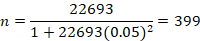
To account for non-response and attrition, the sample was adjusted to 435 participants.
Table 1: Sample Size Calculation Parameters.
| Parameter | Value |
| Population Size (N) | 22,693 |
| Margin of Error (e) | 0.05 |
| Calculated Sample (n) | 399 |
| Adjusted Sample | 435 |
Instrument for Data Collection
Data were collected using a structured questionnaire divided into six sections.
Demographics
Age, gender, level of study, faculty, and socioeconomic status.
Self-Medication Practices
Frequency, type of antibiotics, reasons for use, and sources.
Perceptions and Risks
Awareness of consequences, attitudes, and potential health risks.
Comparison Between Faculties
Health related and non-health related faculties and how they use antibiotics. The questionnaire was developed based on validated instruments from previous studies (Yakubu et al., 2017; Onyedum et al., 2025) and tailored to the NDU context.
Data Collection Procedure
Questionnaires were distributed in person during lectures and hostel visits to maximize participation. Respondents were briefed on the study objectives, and informed consent was obtained prior to completion. Completed questionnaires were collected immediately to minimize non-response and ensure completeness. Efforts were made to achieve a response rate exceeding 90%.
Pilot Study
A pilot study was conducted among 40 undergraduate students from a non-NDU institution to test clarity, comprehensibility, and reliability of the questionnaire. Feedback from the pilot led to revisions in wording and response options to reduce ambiguity and improve respondent understanding.
Ethical Considerations
Ethical approval was obtained from the Bayelsa State Ministry of Health Ethics Committee. Participation was voluntary, with written informed consent obtained from all participants. Anonymity and confidentiality were maintained by coding questionnaires and securely storing data. Respondents were informed of their right to withdraw at any time without penalty
Data Analysis
Data were entered into SPSS version 27 for cleaning, coding, and analysis. Descriptive statistics (frequencies, percentages, means, standard deviations) summarized demographic characteristics and self-medication practices. Inferential statistics, including chi-square tests, were used to assess associations between demographic variables and self-medication behaviour. A p-value less than 0.05 was considered statistically significant.
Results
Socio-Demographic Characteristics of Respondents
The study surveyed 435 undergraduate students at Niger Delta University.
Age
Table 2: Age Distribution of Respondents.
| Age | N | % |
| 18-22 | 170 | 39.1% |
| 23-27 | 215 | 49.4% |
| 28-32 | 33 | 7.6% |
| 33+ | 17 | 3.9% |
The largest age group was 23-27 years (49.4%), followed by 18-22 years (39.1%).
Gender
Table 3: Gender Distribution of Respondents.
| Gender | N | % |
| Male | 203 | 46.7% |
| Female | 232 | 53.3% |
Faculty & Level
The Faculty of Pharmacy had the highest representation (29.7%). A majority of the respondents were in 500 Level (37.5%), followed by 300 and 400 levels (15.4 percentage each).
Table 4: Faculty Distribution of Respondents.
| Faculty | N | % |
| Engineering | 25 | 5.7% |
| Arts | 50 | 11.5% |
| Social Science | 49 | 11.3% |
| Pharmacy | 129 | 29.7% |
| Environmental Sciences | 8 | 1.8% |
| Clinical Sciences | 53 | 12.2% |
| Science | 43 | 9.9% |
| Agriculture | 9 | 2.1% |
| Law | 27 | 6.2% |
| Nursing Sciences | 8 | 1.8% |
| Others | 34 | 7.8% |
Table 5: Level of study Distribution of Respondents.
| Level of Study | N | % |
| 100L | 49 | 11.3% |
| 200L | 26 | 6.0% |
| 300L | 67 | 15.4% |
| 400L | 67 | 15.4% |
| 500L | 163 | 37.5% |
| 600L | 63 | 14.5% |
Faculty Category
53.6% (n=233) of respondents were from health-related faculties, while 46.4% (n=202) were from non-health-related faculties.
Table 6: Faculty Category Distribution of Respondents.
| Faculty Category | N | % |
| Health-Related | 233 | 53.6% |
| Non-Health-Related | 202 | 46.4% |
Analysis of Research Objectives
Objective 1: Prevalence of Antibiotic Self-Medication
The prevalence of antibiotic self-medication among NDU undergraduates is strikingly high, with 88.5% (n=385) admitting to using antibiotics without a doctor's prescription. Only 11.5% reported never practicing self-medication.
Table 7: Prevalence of Antibiotic Self-Medication.
| Have you ever used antibiotics without a doctor’s prescription? | N | % |
| Yes | 385 | 88.5% |
| No | 50 | 11.5% |
Objective 2: Commonly Used Antibiotics and Sources
Common Antibiotics: The most frequently used antibiotic was Amoxicillin (70.6% of cases), followed by Tetracycline (26.5%).
Sources: The primary source for these antibiotics was Community Pharmacies (66.0%), followed by Patent Medical Stores/Chemists (48.6%).
Table 8: Commonly Used Antibiotics.
| Antibiotic Used Frequencies | Responses | Percent of Cases | ||
| N | Percent | |||
| Which antibiotics have you used without a prescription | used_Amoxicillin (Emmox) | 272 | 59.0% | 70.6% |
| used_Ceftriaxone (Rocephin) | 27 | 5.9% | 7.0% | |
| used_Ciprofloxacin (Ciprotab) | 9 | 2.0% | 2.3% | |
| used_Tetracycline (Danacyclin) | 102 | 22.1% | 26.5% | |
| used_ Others | 51 | 11.1% | 13.2% | |
| Total | 461 | 100.0% | 119.6% | |
| Dichotomy group tabulated at value 1. | ||||
Table 9: Sources Frequencies.
| Sources Frequencies | Responses | Percent of Cases | ||
| N | Percent | |||
| Where do you usually obtain these antibiotics | Sources Community Pharmacy | 254 | 45.4% | 66.0% |
| Sources Patent medicine store (chemist) | 187 | 33.5% | 48.6% | |
| Sources Friends/relatives | 60 | 10.7% | 15.6% | |
| Sources Leftover from previous prescription | 58 | 10.4% | 15.1% | |
| Total | 559 | 100.0% | 145.9% | |
| Dichotomy group tabulated at value 1. | ||||
Objective 3: Reasons for Practicing Self-Medication
The most common reasons cited by students were:
- Mild illness/not serious: 66.5%
- Previous experience with the same illness: 44.4%
- Saves money (hospital fees): 35.1%
Table 10: Reason Frequencies for Practicing Self-Medication.
| Reason Frequencies | Responses | Percent of Cases | ||
| N | Percent | |||
| What are your main reasons for practicing Antibiotics self-medication | reason_Saves money (hospital fees) | 135 | 17.5% | 35.1% |
| reason_Mild illness/not serious | 256 | 33.2% | 66.5% | |
| reason_Previous experience with same illness | 171 | 22.2% | 44.4% | |
| reason_Advice from friends/family | 93 | 12.0% | 24.2% | |
| reason_Accessibility of antibiotics without prescription | 67 | 8.7% | 17.4% | |
| reason_Lost trust in health system/ wrong encounter with the healthcare provider | 24 | 3.1% | 6.2% | |
| reason_Others | 26 | 3.4% | 6.8% | |
| Total | 772 | 100.0% | 200.6% | |
| Dichotomy group tabulated at value 1. | ||||
Objective 4: Perception of Risks
Safety Perception: Only 13.3% of students believe self-medication is safe, while 53.6 percentage believe it is not safe.
Medical Justification: Among health-related students, 42.5% (Combined Agree/Strongly Agree) believe their medical knowledge justifies their practice of self-medication.
Table 11: Safety Perception.
| Do you think self-medication with antibiotics is safe? | N | % |
| Yes | 58 | 13.3% |
| No | 233 | 53.6% |
| Not sure | 144 | 33.1% |
Table 12: Medical Justification for study in health-related faculty.
| If you are in a health-related faculty, do you believe your medical knowledge justifies self-medication? | N | % |
| Strongly Disagree | 17 | 3.9% |
| Disagree | 112 | 25.7% |
| Neutral | 121 | 27.8% |
| Agree | 135 | 31.0% |
| Strongly Agree | 50 | 11.5% |
Inferential Statistics (Hypothesis Testing)
Hypothesis 1: Faculty Category vs. Practice
Hypotheses
H0: There is no significant difference in the prevalence of antibiotic self-medication between health-related and non-health-related faculties.
H1: There is a significant difference in the prevalence of antibiotic self-medication between health-related and non-health-related faculties.
Significance Level & Decision Rule: α=0.05. Reject H0 if p less than 0.05.
Test Statistic: Pearson Chi-Square (χ2).
Results: χ2(1) =65.163, p=.000.
| Chi-Square Tests | Value | df | Asymptotic Significance (2-sided) | Exact Sig (2-sided) | Exact Sig (1-sided) |
| Pearson Chi-Square | 65.163a | 1 | .000 | - | - |
| Continuity Correction | 62.753 | 1 | .000 | - | - |
| Likelihood Ratio | 84.273 | 1 | .000 | - | - |
| Fisher's Exact Test | .000 | .000 | |||
| Linear-by-Linear Association | 65.014 | 1 | .000 | - | - |
| N of Valid Cases | 435 | - | - | - | - |
Conclusion: Reject H0. There is a significant difference. Notably, 100% of health-related students in this sample practiced self-medication compared to 75.2% of non-health students.
Hypothesis 2: Knowledge Score vs. Practice
Hypotheses
H0: There is no significant relationship between students’ level of knowledge and their practice of self-medication.
H1: There is a significant relationship between students’ level of knowledge and their practice of self-medication.
Significance Level & Decision Rule: α=0.05. Reject H0 if p less than 0.05.
Test Statistic: Mann-Whitney U Test (Used because Shapiro-Wilk p less than .001 showed non-normality).
Results: U=5854.5, Z=-4.617, p=.000.
| Test Statistics | Knowledge Score |
| Mann-Whitney U | 5854.500 |
| Wilcoxon W | 7129.500 |
| Z | -4.617 |
| Asymp. Sig. (2-tailed) | .000 |
| Grouping Variable: Have you ever used antibiotics without a doctor’s prescription? | |
Conclusion: Reject H0. There is a significant relationship. The "Yes" group had a higher Mean Rank (227.79) than the "No" group (142.59), suggesting that those who self-medicate actually scored higher on risk identification, likely due to their health-faculty background.
Hypothesis 3: Perception of Safety vs. Practice
Hypotheses:
H0: Students’ perception of health risks has no significant influence on their self-medication practices.
H1: Students’ perception of health risks significantly influences their self-medication practices.
Significance Level & Decision Rule: α=0.05. Reject H0 if p less than 0.05.
Test Statistic: Pearson Chi-Square (χ2).
Results: χ2(2) =33.219, p=.000.
| Chi-Square Tests | Value | df | Asymptotic Significance (2-sided) |
| Pearson Chi-Square | 33.219a | 2 | .000 |
| Likelihood Ratio | 36.358 | 2 | .000 |
| Linear-by-Linear Association | 30.829 | 1 | .000 |
| N of Valid Cases | 435 | - | - |
Conclusion: Reject H0. Perception of safety is significantly associated with practice.
Hypothesis 4: Access to Antibiotics vs. Practice
Hypotheses
H0: There is no significant association between access to antibiotics without prescription and the practice of self-medication.
H1: There is a significant association between access to antibiotics without prescription and the practice of self-medication.
Significance Level & Decision Rule: α=0.05. Reject H0 if p less than 0.05.
Test Statistic: Pearson Chi-Square (χ2).
Results: χ2(1) =10.286, p=.001.
| Chi-Square Tests | Value | df | Asymptotic Significance (2-sided) | Exact Sig. (2-sided) | Exact Sig. (1-sided) |
| Pearson Chi-Square | 10.286a | 1 | .001 | - | - |
| Continuity Correctionb | 8.993 | 1 | .003 | - | - |
| Likelihood Ratio | 17.869 | 1 | .000 | - | - |
| Fisher's Exact Test | .000 | .000 | |||
| Linear-by-Linear Association | 10.262 | 1 | .001 | - | - |
| N of Valid Cases | 435 | - | - | - | - |
Conclusion: Reject H0. Easy access to antibiotics is a significant driver of self-medication practices among NDU students.
Discussion
Socio-Demographic Characteristics and Antibiotic Self-Medication
The age distribution of respondents revealed that the majority were within the 23-27 years age group, followed by those aged 18-22 years. This pattern reflects the demographic profile of undergraduate students in Nigerian public universities, where delayed entry, academic interruptions, and extended program durations are common (Abubakar et al., 2020). Young adulthood is a developmental phase characterized by increased independence and self-directed decision-making, which has been consistently associated with self-medication behaviors, including unsupervised antibiotic use (Afolabi, 2008; Buke et al., 2005).
Students within this age bracket often accumulate repeated healthcare experiences and prior exposure to antibiotic prescriptions, which may reinforce the belief that professional consultation is unnecessary for recurrent or perceived minor illnesses. Bennadi (2013) observed that previous successful treatment outcomes strongly predict future self-medication practices among young adults. Similar findings have been reported internationally, where university students aged 20-25 years demonstrate higher self-medication rates than older populations due to time constraints, academic pressure, and perceived convenience (Zhong et al., 2019; Grigoryan et al., 2007).
Gender distribution in this study showed a slight predominance of female respondents, although the difference was marginal. This near parity aligns with enrollment trends in Nigerian universities and supports findings from several studies reporting no significant gender-based differences in antibiotic self-medication when contextual factors are considered (Ocan et al., 2014; Enwere et al., 2022). While some studies report higher self-medication rates among females due to greater health awareness and symptom recognition (Klemenc-Ketiš et al., 2011), the findings of this study suggest that gender alone is not a decisive determinant. Rather, shared environmental factors such as accessibility of antibiotics, cost considerations, and weak regulatory enforcement exert stronger influence across both genders.
Faculty, Level of Study, and Self-Medication Practices
This study revealed a higher proportion of respondents from health-related faculties, particularly Pharmacy, with most participants in advanced levels of study (500 Level). This distribution has important implications for antibiotic self-medication behavior. Students in health-related disciplines are routinely exposed to pharmacology, microbiology, and therapeutic principles, which may increase confidence in self-diagnosis and self-treatment. Several studies have reported higher self-medication rates among health science students compared to their non-health counterparts (Howard et al., 2001; Shankar et al., 2013).
The predominance of senior-level students further reinforces this pattern. As students’ progress academically, they accumulate experiential knowledge from lectures, laboratory work, and clinical exposure, which may inadvertently foster overconfidence. Shankar et al. (2013) and Howard et al. (2001) described this phenomenon as a knowledge–practice paradox, where increased theoretical knowledge does not translate into safer behavior but instead encourages unsupervised medication use.
In the Nigerian context, this behavior is compounded by systemic challenges such as long waiting times at health facilities, limited campus health services, and easy access to antibiotics without prescription. Advanced students facing academic pressure may prioritize convenience and time-saving alternatives, thereby reinforcing self-medication practices (Fadare et al., 2011). These findings underscore the need for targeted antimicrobial stewardship interventions within health professional training programmes.
Prevalence of Antibiotic Self-Medication
The prevalence of antibiotic self-medication observed in this study (88.5%) is alarmingly high, indicating that the practice is widespread and normalized among undergraduate students of Niger Delta University. This prevalence exceeds many international estimates and lies at the upper range of values reported globally (Ahmadi et al., 2015). The disparity between developed and developing regions has been attributed to differences in regulatory enforcement, healthcare accessibility, and prescription control (Grigoryan et al., 2007).
Within Nigeria, the findings align with previous studies reporting prevalence rates between 70% and 90% among university students (Olayemi et al., 2000; Oshikoya & Senbanjo, 2008). Weak enforcement of prescription-only policies, coupled with socio-economic constraints and cultural acceptance of self-treatment, continues to fuel antibiotic misuse. The normalization of self-medication poses serious public health risks, particularly in accelerating antimicrobial resistance, treatment failure, and increased healthcare costs (WHO, 2015).
Commonly Used Antibiotics and Sources
Amoxicillin and tetracycline were the most commonly self-medicated antibiotics in this study. This pattern reflects a preference for familiar, affordable, and widely available antibiotics, consistent with findings from Nigeria and other low- and middle-income countries (Donkor et al., 2012; Grigoryan et al., 2007). Prior successful use and frequent prescription of these antibiotics may reinforce misconceptions about their safety and universal applicability. Although less frequently used, the unsupervised use of broad-spectrum antibiotics such as ciprofloxacin and ceftriaxone raises significant concerns, as misuse of these agents can rapidly accelerate antimicrobial resistance (Ventola, 2015).
Community pharmacies and patent medicine stores emerged as the primary sources of antibiotics, highlighting persistent regulatory gaps. Informal sources such as friends, relatives, and leftover prescriptions further reinforce inappropriate use through drug sharing and incomplete treatment courses. These findings emphasize the need for stricter regulation, improved vendor training, and public education to address both supply- and demand-side drivers of antibiotic misuse.
Reasons for Antibiotic Self-Medication
The predominant reasons for self-medication included perceived mildness of illness, previous experience with similar conditions, and financial constraints. Symptom trivialization has been widely reported as a major driver of antibiotic misuse, particularly for self-limiting or viral conditions (Bennadi, 2013). Prior experience reinforces confidence in self-treatment, while economic considerations discourage formal healthcare utilization.
In Nigeria, out-of-pocket healthcare expenditure and limited health insurance coverage for students further incentivize self-medication (Afolabi, 2008). While these motivations may appear rational from an individual perspective, they contribute significantly to inappropriate antibiotic use and long-term public health consequences.
Risk Perception, and Medical Justification
Despite relatively high awareness of antibiotic risks, most respondents continued to self-medicate, illustrating a pronounced knowledge–behavior gap. Although over half of the students perceived self-medication as unsafe, repeated exposure without immediate adverse effects may reduce perceived susceptibility to harm. This aligns with the Health Belief Model, which emphasizes perceived severity and susceptibility as key behavioral determinants (Rosenstock, 1974).
Among health-related students, a substantial proportion justified self-medication based on medical knowledge. This perceived professional competence mirrors findings from studies involving healthcare trainees globally (Shankar et al., 2013; Khalifeh et al., 2017). However, such justification reflects premature clinical autonomy and highlights the ethical risks of normalizing unsupervised antibiotic use during training.
Discussion of Hypothesis Testing
Inferential analysis revealed that faculty affiliation significantly influenced self-medication practices, with health-related students demonstrating higher prevalence. Knowledge scores were also significantly associated with self-medication, paradoxically showing higher knowledge among those who self-medicated. Risk perception and ease of access were similarly significant predictors.
These findings support behavioral and social theories, including the Health Belief Model and Social Cognitive Theory, which emphasize the combined influence of perceived risk, self-efficacy, and environmental access on health behavior. Collectively, the results indicate that antibiotic self-medication is driven by a complex interaction of cognitive, behavioral, and structural factors rather than knowledge deficits alone.
Conclusion
This study concludes that antibiotic self-medication is deeply entrenched among undergraduate students of Niger Delta University, with an alarmingly high prevalence. The practice is particularly pronounced among health-related students, suggesting that medical training may inadvertently foster overconfidence and unsupervised medication use. Easy access to antibiotics, financial constraints, and cultural acceptance of self-treatment further sustain this behavior. If left unaddressed, these practices pose a significant threat to public health through the acceleration of antimicrobial resistance.
Based on the findings, the following recommendations are proposed:
Strengthening Regulatory Enforcement: Regulatory bodies such as the Pharmacists Council of Nigeria should intensify monitoring of community pharmacies and patent medicine stores to ensure compliance with prescription-only policies.
Targeted Educational Interventions: Niger Delta University should implement structured awareness programs, possibly through the General Studies unit, focusing on rational antibiotic use and antimicrobial resistance.
Antimicrobial Stewardship in Health Faculties: Health-related programs should incorporate compulsory stewardship modules emphasizing ethical responsibility, patient safety, and the risks of professional overconfidence.
Improvement of University Health Services: Enhancing the efficiency, affordability, and accessibility of campus health services may reduce reliance on self-medication among students.
Declarations
Acknowledgment
The authors appreciate the participants, faculty coordinators, and management of Niger Delta University for their cooperation and support during data collection.
Conflict of Interest
The researchers declare that there was no conflict of interest in the conduct and reporting of this research.
References
- Abubakar, I. R., Sulaiman, S. A. S., Ab Rahman, N. S. (2020). Prevalence and Predictors of Self-Medication Practices Among University Students. Journal of Community Health, 45(2):292-301.
Publisher | Google Scholor - Adesina, K. A., Adeeyo Ayoka, M., Afolalu, A. O., Anyebe, E. E. (2022). Prevalence of Self-Medication and Knowledge of Associated Risks Among Undergraduate Students in Southwest Nigeria. Journal of Advances in Medicine and Medical Research, 34(2);105-115.
Publisher | Google Scholor - Afolabi A.A. (2008). Factors Influencing the Patt-ern of Self-Medication in An Adult Nigerian Population. Ann of African Medicine, 7(3):120-127.
Publisher | Google Scholor - Ahmadi M, et al. (2015). Prevalence of Self-Medication Among University Students: A Systematic Review. European Journal of Public Health, 25(1):444-450.
Publisher | Google Scholor - Akande-Sholabi W, Adefemi K. (2021). Prevalence, Knowledge, and Perception of Self-Medication Practices Among Healthcare Students. Journal of Pharmaceutical Policy and Practice.
Publisher | Google Scholor - Banerjee, A., Bhadury, S. (2012). Self-Medication Practice Among Undergraduate Medical Students in West Bengal. Journal of Postgraduate Medicine, 58(2):127-131.
Publisher | Google Scholor - Bennadi, D. (2013). Self-Medication: A Current Challenge. Journal of Basic and Clinical Pharmacy, 5(1):19-23.
Publisher | Google Scholor - Donkor, E. S., Tetteh-Quarcoo, P. B., Nartey, P., Agyeman, I. O. (2012). Self-Medication Practices with Antibiotics Among Tertiary Students in Accra, Ghana. BMC Public Health, 12:165.
Publisher | Google Scholor - Enwere, O. O., Falade, C. O., Salami, K. K. (2022). Antibiotic Self-Medication Among Nigerian University Students. Journal of Pharmaceutical Policy and Practice, 15:7.
Publisher | Google Scholor - Fadare J.O, Tamuno I, Akinyede A.A. (2011). Self-Medication Among University Students in Southwestern Nigeria. Pharma Pract, 9(4):228-235.
Publisher | Google Scholor - Goel, D., Gupta, S., Goel, M. (2010). Self-Medication Patterns in Developing Countries. International Journal of Pharmaceutical Sciences Review and Research, 1(2):123-127.
Publisher | Google Scholor - Grigoryan, L., et al. (2007). Self-Medication with Antimicrobial Drugs in Europe. European Journal of Public Health, 17(3);271-273.
Publisher | Google Scholor - Howard, D. H., et al. (2001). Patterns of Self-Medication Among Medical Students. Annals of Pharmacotherapy, 35(3):352-357.
Publisher | Google Scholor - Hughes, C. M., McElnay, J. C., Fleming, G. F. (2001). Benefits and Risks of Self-Medication. Drug Safety, 24(14):1027-1037.
Publisher | Google Scholor - Ocan, M. (2014). Household Antimicrobial Self-Medication: A Systematic Review. BMC Public Health, 14:847.
Publisher | Google Scholor - Shankar, P. R., et al. (2013). Self-Medication Among Medical Students in Nepal. BMC Research Notes, 6:702.
Publisher | Google Scholor - Ventola, C. L. (2015). The Antibiotic Resistance Crisis. Pharmacy and Therapeutics, 40(4):277-283.
Publisher | Google Scholor - World Health Organization. (2019). Antimicrobial Resistance. World Health Organization.
Publisher | Google Scholor - Zhong, F., et al. (2019). Self-Medication with Antibiotics Among University Students. International Journal of Environmental Research and Public Health, 16(21):4127.
Publisher | Google Scholor