
Research Article
Burden of Heart Failure Among Patients with Hypertension: A Systematic Review and Meta-Analysis (2026)
- Tsion Wolanewos Asfaw 1**
- Hiwot Zewde Woldeyes 2*
- Tizita Kifle Negash 2*
- Ewunetu Dereje Wondimu 3
- Bekalu Sintayehu Yegdie 3
- Fikadu Wondie Alemu 3
- Olyad Geleta Dida 4
- Sena Mocha 5
- Eyob Endalew 2
- Haymanot Bekele Urga 6*
- Oumer Alemu Ali 7
- Mikias Engeda Gebre 5
- Abel Merhatsidk Menberu 6*
- Bilal Nuredin Aminu 6*
- Berhanu Amare Taye 6
- Natnael Shewatatek Demissie 6
- Yonas Kifle Argaw 9
- Daniel Weldu Gebremedhin 10
- Hellina Demrew Addisse 5
- Betelehem Sebhatu 8
1Department of Medicine, Debre Tabor University College of Medicine and Health Sciences, Debre Tabor, Ethiopia.
2Department of Medicine, Addis Ababa University College of Health Sciences, Addis Ababa, Ethiopia.
3Department of Medicine, Wachemo University College of Medicine and Health Sciences, Hossana, Ethiopia.
4Department of Medicine, Jimma University Institute of Health, Jimma, Ethiopia.
5Department of Medicine, Hayat Medical College, Addis Ababa, Ethiopia.
6Department of Medicine, University of Gondar College of Medicine and Health Sciences, Gondar, Ethiopia.
7Department of Internal Medicine, Yekatit 12 Hospital Medical College, Addis Ababa, Ethiopia.
8Department of Medicine, Windsor University School of Medicine, Saint Kitts and Nevis.
9Department of Medicine, St. Paul's Hospital Millennium Medical College, Addis Ababa, Ethiopia.
10 Department of Medicine, College of Health Sciences, Mekelle University, Mekelle, Ethiopia.
*Corresponding Author: Hiwot Zewde Woldeyes, Tizita Kifle Negash, Haymanot Bekele Urga, Abel Merhatsidk Menberu and Bilal Nuredin Aminu
Citation: Tsion W. Asfaw, Hiwot Z. Woldeyes, Tizita K. Negash, Ewunetu D. Wondimu, Bekalu S. Yegdie, et al. (2026). Burden of Heart Failure Among Patients with Hypertension: A Systematic Review and Meta-Analysis (2026), Journal of BioMed Research and Reports, BioRes Scientia Publishers. 10(6):1-9. DOI: 10.59657/2837-4681.brs.26.259
Copyright: © 2026 Tsion Wolanewos Asfaw, this is an open-access article distributed under the terms of the Creative Commons Attribution License, which permits unrestricted use, distribution, and reproduction in any medium, provided the original author and source are credited.
Received: July 16, 2026 | Accepted: July 30, 2026 | Published: August 07, 2026
Abstract
Introduction: Persistent raise of blood pressure brings structural and functional changes in the cardiovascular system, including left ventricular hypertrophy, myocardial fibrosis, vascular remodeling, and impaired cardiac function, ultimately increasing the risk of developing heart failure. Despite advances in antihypertensive therapy and cardiovascular risk reduction strategies, heart failure remains a common complication among patients with hypertension. Therefore, this review is aimed to estimate burden of heart failure among patients with hypertension.
Methods and Materials: Both manual and electronic searches were used to extract studies for this meta-analysis from PubMed, Google Scholar, Scopus, and Web of Science. The quality of studies was assessed by using the Joanna Briggs Institute (JBI) quality appraisal tool for prevalence. Meta-analysis was carried out using a random-effects method using the STATA™ Version 14 software.
Result: Eighteen studies with a total of 44,249 participants included in this study. Most studies were conducted in Africa regions. From the included studies, the prevalence of heart failure among patients with hypertension ranged from 1.3- 55.6%. The pooled proportion of heart failure with random effect model was found to be 19.21% (95% CI: 14.2-24.2): with the highest prevalence of heart failure 25.7 % (95% CI: 15.4-36.0) was seen in African region and the lowest 6.79 % (95% CI: 2.0-11.5) was seen in Asia region.
Conclusion: Despite considerable global efforts to reduce the burden of cardiovascular diseases through improved prevention, early diagnosis, and advances in the management of heart failure, the condition remains a major public health challenge. The present meta-analysis found that the pooled prevalence of heart failure among patients with hypertension was significant indicating that nearly one in five individuals in the studied populations is affected. Therefore, strong and context-specific interventions are essential.
Keywords: hypertension; heart failure; patient; systematic review; Meta-analysis; global; burden
Introduction
Hypertension remains one of the prevalent cardiovascular risk factors worldwide and a leading contributor to morbidity, mortality, and healthcare expenditure [1]. According to global estimates, over one billion adults are affected by hypertension, with the burden continuing to rise [2,3]. The burden of hypertension is increasing, as are disparities between high-income countries and low- and middle-income countries [4].
Persistent raise of blood pressure brings structural and functional changes in the cardiovascular system, including left ventricular hypertrophy, myocardial fibrosis, vascular remodeling, and impaired cardiac function, ultimately increasing the risk of developing heart failure [5]. Heart failure (HF) is a multifaceted clinical syndrome characterized by the inability of the heart to pump sufficient blood to meet the body metabolic demands or to do so only at elevated filling pressures [6]. Patients with HF exert a high health care burden, with a much higher risk of cardiovascular, all‐cause, and non-cardiovascular events, and nearly 4 times as many days spent in hospital [7].
Heart failure represents a major public health challenge due to its high prevalence, poor prognosis, frequent hospitalizations, and substantial economic burden and associated with high mortality, morbidity, poor quality of life and functional capacity [8].
Hypertension is one of the most important modifiable risk factors for heart failure, contributing to heart failure with preserved ejection fraction (HFpEF) and with reduced ejection fraction (HFrEF) [9-11]. Arterial hypertension is the cause of HF in 64% of patients and it is the second leading cause of heart failure through pathologic left ventricular hypertrophy (LVH) and diastolic dysfunction [12-14]. Study also shows that those individuals with hypertension are at a significantly higher risk of developing heart failure compared with normotensive individuals [15,16].
The relationship between hypertension and heart failure is particularly important because hypertension often precedes the onset of symptomatic cardiac dysfunction by several years. Achieving lower blood pressure targets yields significant cardiovascular benefits, particularly in reducing MACE, cardiovascular mortality, stroke, and heart failure [17-20]. Despite advances in antihypertensive therapy and cardiovascular risk reduction strategies, heart failure remains a common complication among patients with hypertension [21].
Different studies have reported varying estimates of the prevalence of heart failure among patients with hypertension in several regions, healthcare settings, and patient demographics. These variations may be attributed to differences in study design, diagnostic criteria, population characteristics, duration and severity of hypertension, and access to healthcare services. Consequently, the true burden of heart failure among individuals with hypertension remains incompletely understood.
A comprehensive synthesis of available evidence is essential to quantify the burden of heart failure in hypertensive patients and to identify potential sources of heterogeneity across studies. Such evidence can support healthcare planning, inform clinical practice, and guide future research efforts aimed at preventing the progression from hypertension to heart failure. Therefore, this systematic review and meta-analysis aim to estimate the pooled burden of heart failure among patients with hypertension.
Objective of the review
To identify the pooled global burden of heart failure among patients with hypertension.
Methods and Materials
The systematic review and meta-analysis were conducted based on the Preferred Reporting Items for Systematic and Meta-analysis (PRISMA) [22].
Inclusion and exclusion criteria
Those studies which are conducted among adults, globally, cross-sectional observational studies, both published and unpublished studies, and published at any time were included in this study. Articles were excluded if they were: those studies with no clear report of the outcome, and case reports.
Searching strategy
The search strategy was used to explore all relevant published and unpublished studies on the burden of heart failure among patients with hypertension in the following databases; PubMed, Scopus, web of science, and Google Scholar were searched. The following core search terms or phrases were used; burden, prevalence, proportion, epidemiology, heart failure, congestive heart failure, CHF, hypertension, high blood pressure, hypertensive, hypertensive heart disease and global. MeSH (Medical Subject Headings) and Boolean operators were used to search in the advanced Pub Med search engine.
Study selection criteria
The retrieved articles were exported to the reference manager software, EndNote x8, and removed duplicate studies. All reviewers screened the title and abstract based on selection criteria. The full text of potentially eligible studies was retrieved and assessed in detail against the inclusion criteria. All reviewers independently appraised the quality of the studies by using the Joanna Briggs Institute (JBI) quality appraisal tool for prevalence study [23]. If the quality assessment indicator score was 50% or higher, then the study was considered low risk. Any disagreements that arose between the reviewers were resolved through discussion.
Data Extraction
Data were independently extracted by all authors using a standardized data extraction format; including first authors’ name, publication year, study setting, study design, sample size, and the prevalence of heart failure. Articles that fulfilled the predefined criteria were used as a source of data for the final analysis. The reviewers were cross-checked it to ensure consistency. Any discrepancy was solved through discussion with other authors.
Data analysis
The STATA V. 14 statistical software was used for all statistical analysis. The pooled prevalence of the heart failure was determined with a random effect model. The Heterogeneity among the included studies was checked with forest plot, I2 test, and the p-values. Heterogeneity among the included studies was investigated with subgroup analysis. Publication bias was checked with a funnel plot. Subgroup analysis was done by region of the study conducted. Additionally, meta-regression model was applied by taking sample size and publication year investigate the sources of heterogeneity.
Results
Study selection
Initially, 9761 articles were retrieved: 6427 from PubMed, 1987 from Scopus, 302 Google Scholar, and 1045 web of science. Five thousand and four hundred three remained after removing duplicates. 3860 articles were screened based on their title and abstracts and removed. Then 1140 articles were screened by using the eligibility criteria. Finally, 18 articles met the eligibility criteria and were included in the analysis (Figure 1).
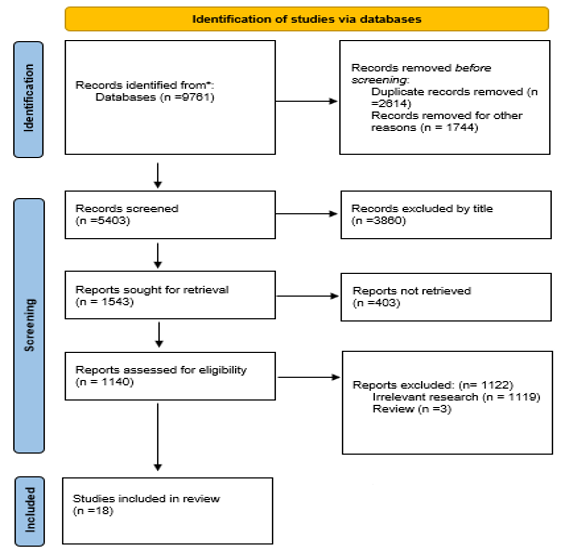
Figure 1: PRISMA flow diagram of study selection for pooled global burden of Heart Failure among Patients with Hypertension.
Characteristics of study
The eighteen studies [24-41] included 44,249 participants. Majority of studies were cross-sectional. The sample size ranged from 54 [28] to 22158 [33]. Most studies were conducted in Africa regions. From the included studies, the prevalence of heart failure ranged from 1.3[33] to 55.6 [28] (Table 1).
Table 1: characteristics of the study included in systematic review and meta-analysis.
| Authors Name | Publication Year | Study Settings | Study Design | Sample Size | Prevalence with 95% CI (%) |
| Nyaisonga GG | 2021 | Tanzania | Cross sectional | 633 | 29.5(25.9-33.0) |
| Ogah OS | 2015 | Nigeria | Cross sectional | 320 | 82(77.7-86.2) |
| Mugo OW | 2022 | Kenya | Cross sectional | 239 | 9.6(5.8-13.3) |
| Dzudie A, | 2008 | Cameroon | Cross sectional | 1218 | 11.5(9.7-13.2) |
| Olusegun-Joseph A | 2019 | Nigeria | Cross sectional | 54 | 55.6(42.3-68.8) |
| Falase AO | 1983 | Nigeria | Cross sectional | 219 | 30(23.9-36.0) |
| Oladapo OO | 2012 | Nigeria | Cross sectional | 415 | 4.6(2.5-6.6) |
| Ayodele OE | 2007 | Nigeria | Cross sectional | 147 | 8.8(4.2-13.3) |
| Ojji DB, | 2015 | Nigeria | Cross sectional | 2398 | 22.6(20.9-24.2) |
| Hao G, | 2019 | China | Cross sectional | 22158 | 1.3(1.1-1.4) |
| Kifle ZD, | 2022 | Gonder | Cross sectional | 428 | 10.5(7.5-13.4) |
| Ahmad SN | 2023 | India | Cross sectional | 378 | 11.2(8.0-14.3) |
| Hareru HE | 2026 | Ethiopia | Cross sectional | 190 | 22.6(16.6-28.5) |
| Butler J | 2011 | USA | Retrospective study | 4408 | 11.2(10.2-12.1) |
| Tsimploulis A | 2017 | USA | Retrospective study | 5576 | 22(20.9-23.0) |
| Levy D | 1996 | USA | Cross sectional | 5143 | 7.6(6.8-8.3) |
| Hari TS | 2021 | India | Cross sectional | 125 | 15.2(8.9-21.4) |
| Mallela VR | 2023 | India | Cross sectional | 200 | 2.5(0.3-4.6) |
Burden of heart failure among patients with hypertension
The pooled proportion of heart failure among patients with hypertension with random effect model was found to be 19.21% (95% CI: 14.2-24.2) with a heterogeneity index of 99.6%, with a P-value of less than 0.001(Figure 2). The Egger test yielded a statistically significant result with a P-value of less than 0.001. So trim and fill analysis was conducted but is not significant.
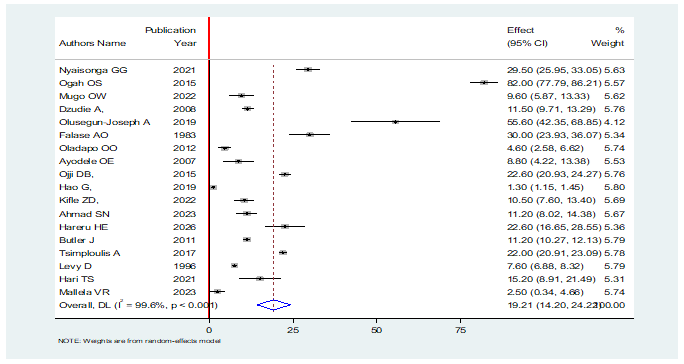
Figure 2: Forest plot showing the pooled global burden of Heart Failure among Patients with Hypertension.
Sub-group analysis
The subgroup analysis was conducted based on region of the studies conducted. The highest prevalence of heart failure 25.7 % (95% CI: 15.4- 36.0, I2 = 99.2%) was seen in African region, and the lowest 6.79 % (95% CI: 2.0.-11.5, I2 = 94.7%) was seen in Asia region (Figure 3).
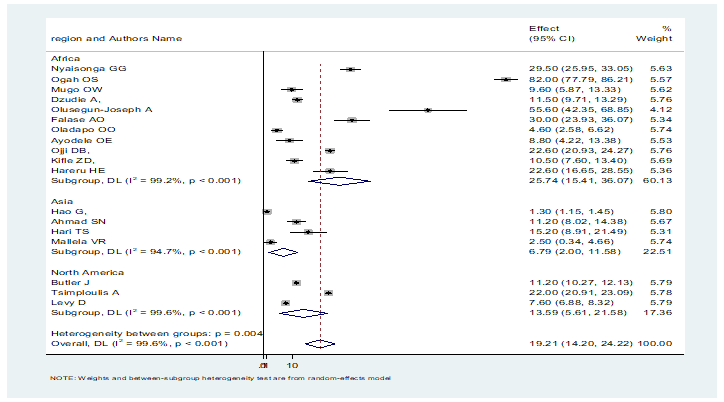
Figure 3: Subgroup analysis of pooled global burden of Heart Failure among Patients with Hypertension by region.
Meta-regression and publication bias
The heterogeneity index values (99.6%) indicated that the studies were heterogeneous. Therefore, meta-regression was conducted using year of publication and sample size as a covariate. The analysis showed that year of publication and sample size didn’t have a significant effect on heterogeneity between studies, with a P- value of 0.299 and 0.294. Publication bias was assessed using a funnel plot and the Egger regression test with a significance threshold of less than 0.05. The funnel plot displayed asymmetrical distribution (Figure 4) and the Egger test yielded a statistically significant result with a P-value of less than 0.001. The funnel plot adjusted by trim and fills analysis and appeared symmetrical (Figure 5).
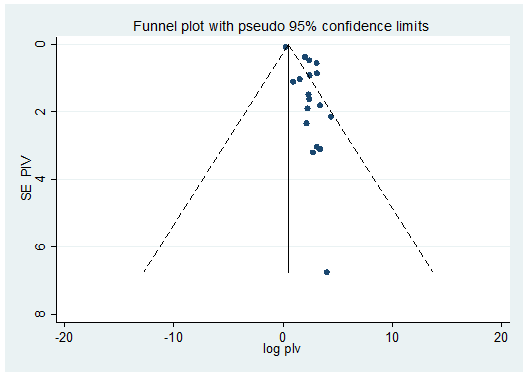
Figure 4: Funnel plot to test publication bias in 18 studies with 95% confidence limits.
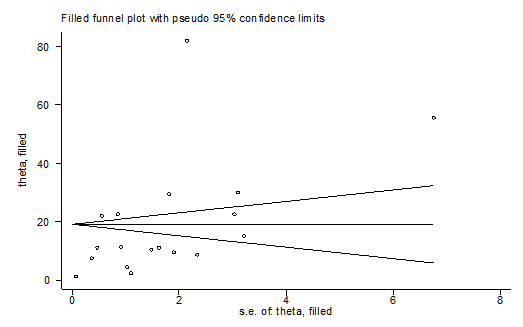
Figure 5: Funnel plot to test publication bias in 18 studies with 95% confidence limits by trim and fill analysis.
Sensitivity analysis
Sensitivity analysis was performed to determine how various sources of uncertainty contribute to the overall uncertainty among the studies, but the results indicated that uncertainty has an insignificant influence on pooled prevalence (Figure 6).
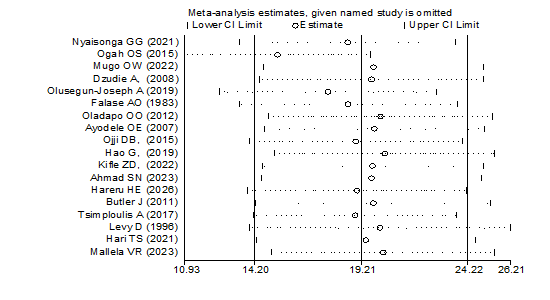
Figure 6: Sensitivity analysis of pooled global burden of Heart Failure among Patients with Hypertension for each study being removed one at a time.
Discussion
Uncontrolled hypertension is the leading risk factor for various cardiovascular diseases, including stroke, coronary artery disease, atrial fibrillation, and peripheral vascular disease. Based on study findings about 90% of the patients with HF had hypertension. The mechanism hypertension in development of heart failure is primarily related to chronic left ventricular pressure overload and increased intravascular volume, affecting the ventricular structure and function through different molecular mechanisms [42-45]. This meta-analysis found that the pooled prevalence of heart failure among patients with hypertension was 19.21% (95% CI: 14.2-24.2), indicating that nearly one in five individuals in the included populations experienced heart failure. Similar variability in heart failure burden has been reported globally, which shows that Hypertensive heart disease significantly contributes to global morbidity and mortality, worsened by rising hypertension rates [46].
The subgroup analysis demonstrated marked regional variation in heart failure prevalence. The highest prevalence was observed in the African region (25.7%, 95% CI: 15.4-36.0), whereas the lowest prevalence was found in the Asian region (6.79%, 95% CI: 2.0-11.5). The higher prevalence in Africa may be attributable to the increasing burden of cardiac diseases, and limited access to early cardiovascular screening and treatment [47-49]. In contrast, the lower prevalence observed in Asia might be due to implementation of effective cardiovascular disease prevention and management strategies, leading to improved control of risk factors such as hypertension and diabetes [50-52]. Furthermore, variation in demographic characteristics of the study population, health care infrastructure, availability of diagnostic technologies, sample size, and prioritization will lead to variation.
Conclusion
Despite considerable global efforts to reduce the burden of cardiovascular diseases through improved prevention, early diagnosis, and advances in the management of heart failure, the condition remains a major public health challenge. The present meta-analysis found that the pooled prevalence of heart failure among patients with hypertension was significant indicating that nearly one in five individuals in the studied populations is affected. Therefore, strong and context-specific interventions, including strengthened prevention programs, effective control of hypertension and other modifiable risk factors, improved access to diagnostic services, and timely initiation of evidence-based therapies is essential. Future researchers should focus on identifying the underlying drivers of regional disparities and evaluating interventions that can effectively reduce the prevalence and consequences of heart failure.
Limitation of the study
This systematic review and meta-analysis have certain limitations to be considered. First due to significant heterogeneity of studies, result should be interpreted with caution. Secondly, we encountered difficulties when comparing our findings due to the absence of systematic reviews and meta-analyses done previously.
Declarations
Ethics approval and consent to participant
Not applicable.
Consent for publication
Not applicable.
Availability of data and materials
All the data analyzed during the current systematic review and meta-analysis is fully available with request from corresponding author.
Competing interests
all the authors declare that they have no competing interests.
Funding
Not applicable.
Acknowledgment
We would like to thank all authors of studies included in this systematic review and meta-analysis.
References
- World Health Organization. (2025). Global report on hypertension 2025: High stakes—Turning evidence into action. World Health Organization.
Publisher | Google Scholor - Mishra, S. R., Satheesh, G., Khanal, V., Nguyen, T. N., Picone, D., et al. (2025). Closing the gap in global disparities in hypertension control. Hypertension, 82(3):407–410.
Publisher | Google Scholor - Schutte, A. E., Srinivasapura Venkateshmurthy, N., Mohan, S., & Prabhakaran, D. (2021). Hypertension in low- and middle-income countries. Circulation Research, 128(7):808–826.
Publisher | Google Scholor - O’Connell, S. S., Whelton, P. K., Li, F., Allouch, F., Shapiro, L., et al (2026). Global hypertension 2000 to 2020: Trends, disparities, and progress in awareness, treatment, and control. Journal of the American College of Cardiology, 87(18):2338–2351.
Publisher | Google Scholor - Masenga, S. K., & Kirabo, A. (2023). Hypertensive heart disease: Risk factors, complications and mechanisms. Frontiers in Cardiovascular Medicine, 10:1205475.
Publisher | Google Scholor - Rees, O. L., Wheen, P., & Anderson, L. J. (2023). Updates in heart failure. Clinical Medicine, 23(5):432–436.
Publisher | Google Scholor - Stolfo, D., Lund, L. H., Benson, L., Hage, C., Sinagra, G., Dahlström, U., & Savarese, G. (2022). Persistent high burden of heart failure across the ejection fraction spectrum in a nationwide setting. Journal of the American Heart Association, 11(22):e026708.
Publisher | Google Scholor - Shahim, B., Kapelios, C. J., Savarese, G., & Lund, L. H. (2023). Global public health burden of heart failure: An updated review. Cardiac Failure Review, 9:e11.
Publisher | Google Scholor - Masenga, S. K., & Kirabo, A. (2023). Hypertensive heart disease: Risk factors, complications and mechanisms. Frontiers in Cardiovascular Medicine, 10:1205475.
Publisher | Google Scholor - Nemtsova, V., Burkard, T., & Vischer, A. S. (2023). Hypertensive heart disease: A narrative review series—Part 2: Macrostructural and functional abnormalities. Journal of Clinical Medicine, 12(17):5723.
Publisher | Google Scholor - Jia, Z., & Du, X. (2025). Epidemiology and burden of heart failure. Cardiology Discovery, 5(4):281–284.
Publisher | Google Scholor - Camafort, M., Sepulveda, C., & Viñas, E. (2025). Hypertension and heart failure, a dangerous relationship.
Publisher | Google Scholor - Diez, J., & Butler, J. (2023). Growing heart failure burden of hypertensive heart disease: A call to action. Hypertension, 80(1):13–21.
Publisher | Google Scholor - Slivnick, J., & Lampert, B. C. (2019). Hypertension and heart failure. Heart Failure Clinics, 15(4):531–541.
Publisher | Google Scholor - Kokubo, Y., & Matsumoto, C. (2017). Hypertension is a risk factor for several types of heart disease: Review of prospective studies. Advances in Experimental Medicine and Biology, 956:419–426.
Publisher | Google Scholor - Messerli, F. H., Rimoldi, S. F., & Bangalore, S. (2017). The transition from hypertension to heart failure: Contemporary update. JACC: Heart Failure, 5(8):543–551.
Publisher | Google Scholor - Pugliese, N. R., Buralli, S., & Taddei, S. (2025). Hypertension and heart failure: A dangerous relationship with clinical implications. European Journal of Internal Medicine, 131:44–45.
Publisher | Google Scholor - Baffour, P. K., Jahangiry, L., Jain, S., Sen, A., & Aune, D. (2024). Blood pressure, hypertension, and the risk of heart failure: A systematic review and meta-analysis of cohort studies. European Journal of Preventive Cardiology, 31(5):529–556.
Publisher | Google Scholor - Rizwanullah, U. F., Vineesh, A., Hyderi, F. A., Shah, S., Sawale, M., Ahmadi, T., et al. (2025). Impact of intensive blood pressure control versus standard control on cardiovascular outcomes: A systematic review and meta-analysis of randomized controlled trials. Cureus, 17(7).
Publisher | Google Scholor - Messerli, F. H., Rimoldi, S. F., & Bangalore, S. (2017). The transition from hypertension to heart failure: Contemporary update. JACC: Heart Failure, 5(8):543–551.
Publisher | Google Scholor - Page, M. J., McKenzie, J. E., Bossuyt, P. M., Boutron, I., Hoffmann, T. C., et al. (2021). The PRISMA 2020 statement: An updated guideline for reporting systematic reviews. BMJ, 372:n71.
Publisher | Google Scholor - Munn, Z., Moola, S., Lisy, K., Riitano, D., & Tufanaru, C. (2017). Systematic reviews of prevalence and incidence. In Joanna Briggs Institute reviewer’s manual. The Joanna Briggs Institute.
Publisher | Google Scholor - Nyaisonga, G. G., & Chillo, P. (2021). Prevalence, types and clinical presentation of heart failure among hypertensive patients seen at a tertiary hospital in Dar es Salaam, Tanzania. International Journal of Clinical Cardiology, 8:230.
Publisher | Google Scholor - Ogah, O. S., Sliwa, K., Akinyemi, J. O., Falase, A. O., & Stewart, S. (2015). Hypertensive heart failure in Nigerian Africans: Insights from the Abeokuta Heart Failure Registry. The Journal of Clinical Hypertension, 17(4):263–272.
Publisher | Google Scholor - Mugo, O. W. (2022). Prevalence and associated risk factors of congestive heart failure among hypertensive patients attending selected health facilities in Kiambu County, Kenya [Doctoral dissertation, Kenyatta University].
Publisher | Google Scholor - Dzudie, A., Kengne, A. P., Mbahe, S., Menanga, A., Kenfack, M., & Kingue, S. (2008). Chronic heart failure, selected risk factors and co-morbidities among adults treated for hypertension in a cardiac referral hospital in Cameroon. European Journal of Heart Failure, 10(4):367–372.
Publisher | Google Scholor - Olusegun-Joseph, A. (2019). Profile of hospitalized hypertensives with preserved and reduced left ventricular ejection fraction in Nigeria. International Cardiovascular Forum Journal.
Publisher | Google Scholor - Falase, A. O., Ayeni, O., Sekoni, G. A., & Odia, O. J. (1983). Heart failure in Nigerian hypertensives. African Journal of Medicine and Medical Sciences, 12(1):7–15.
Publisher | Google Scholor - Oladapo, O. O., Salako, L., Adedapo, K., Falase, A. O., & Sadiq, L. (2012). Target-organ damage and cardiovascular complications in hypertensive Nigerian Yoruba adults: A cross-sectional study. Cardiovascular Journal of Africa, 23(7):379–384.
Publisher | Google Scholor - Ayodele, O. E., Alebiosu, C. O., Akinwusi, P. O., Akinsola, A., & Mejiuni, A. (2007). Target organ damage and associated clinical conditions in newly diagnosed hypertensives attending a tertiary health facility. Nigerian Journal of Clinical Practice, 10(4):319–325.
Publisher | Google Scholor - Ojji, D. B., Libhaber, E., Atherton, J. J., Abdullahi, B., Nwankwo, A., & Sliwa, K. (2015). Risk-factor profile and comorbidities in 2,398 patients with newly diagnosed hypertension from the Abuja Heart Study. Medicine, 94(39):e1660.
Publisher | Google Scholor - Hao, G., Wang, X., Chen, Z., Zhang, L., Zhang, Y., et al. (2019). Prevalence of heart failure and left ventricular dysfunction in China: The China Hypertension Survey, 2012–2015. European Journal of Heart Failure, 21(11):1329–1337.
Publisher | Google Scholor - Kifle, Z. D., Adugna, M., Chanie, G. S., & Mohammed, A. (2022). Prevalence and associated factors of hypertension complications among hypertensive patients at University of Gondar Comprehensive Specialized Referral Hospital. Clinical Epidemiology and Global Health, 13:100951.
Publisher | Google Scholor - Ahmad, S. N., Gul, I., & Sultan, S. T. (2023). Prevalence and associated factors of hypertension complications among hypertensive patients: A hospital-based study. International Journal of Academic Medicine and Pharmacy, 5(1):34–38.
Publisher | Google Scholor - Hareru, H. E., Gedamu, B. A., Ayehu Akele, M., Temesgen, E. K., & Sisay, D. (2026). Prevalence of comorbidity and associated factors among patients with hypertension in health facilities of Southern Ethiopia. BioMed Research International, 2026, 7739774.
Publisher | Google Scholor - Butler, J., Kalogeropoulos, A. P., Georgiopoulou, V. V., Bibbins-Domingo, K., Najjar, S. S., et al. (2011). Systolic blood pressure and incident heart failure in the elderly: The Cardiovascular Health Study and the Health, Ageing and Body Composition Study. Heart, 97(16):1304–1311.
Publisher | Google Scholor - Tsimploulis, A., Sheriff, H. M., Lam, P. H., Dooley, D. J., Anker, M. S., Papademetriou, V., Fletcher, R. D., Faselis, C., Fonarow, G. C., Deedwania, P., & White, M. (2017). Systolic–diastolic hypertension versus isolated systolic hypertension and incident heart failure in older adults: Insights from the Cardiovascular Health Study. International Journal of Cardiology, 235:11–16.
Publisher | Google Scholor - Levy, D., Larson, M. G., Vasan, R. S., Kannel, W. B., & Ho, K. K. (1996). The progression from hypertension to congestive heart failure. JAMA, 275(20):1557–1562.
Publisher | Google Scholor - Hari, T. S., Sudha, T. S., Varghese, A. M., Sasanka, K. K., & Thangaraju, P. (2021). A study of risk factors and complications in elderly hypertensive subjects. Journal of Family Medicine and Primary Care, 10(6):2230–2234.
Publisher | Google Scholor - Mallela, V. R., Pendurthi, A. K., Karumanchi, S., & Alam, K. C. (2023). Prevalence and risk factors of complications related to hypertension at a tertiary care hospital. MRIMS Journal of Health Sciences, 11(1):70–75.
Publisher | Google Scholor - Slivnick, J., & Lampert, B. C. (2019). Hypertension and heart failure. Heart Failure Clinics, 15(4):531–541.
Publisher | Google Scholor - Di Palo, K. E., & Barone, N. J. (2020). Hypertension and heart failure: Prevention, targets, and treatment. Heart Failure Clinics, 16(1):99–106.
Publisher | Google Scholor - Bozkurt, B., Aguilar, D., Deswal, A., Dunbar, S. B., Francis, G. S., Horwich, T., Jessup, M., Kosiborod, M., Pritchett, A. M., Ramasubbu, K., & Rosendorff, C. (2016). Contributory risk and management of comorbidities of hypertension, obesity, diabetes mellitus, hyperlipidemia, and metabolic syndrome in chronic heart failure: A scientific statement from the American Heart Association. Circulation, 134(23):e535–e578.
Publisher | Google Scholor - Gallo, G., & Savoia, C. (2024). Hypertension and heart failure: From pathophysiology to treatment. International Journal of Molecular Sciences, 25(12):6661.
Publisher | Google Scholor - Wu, X., Sha, J., Yin, Q., Gu, Y., & He, X. (2025). Global burden of hypertensive heart disease and attributable risk factors, 1990–2021: Insights from the Global Burden of Disease Study 2021. Scientific Reports, 15(1):14594.
Publisher | Google Scholor - Bulto, L. N., & Hendriks, J. M. (2024). The burden of cardiovascular disease in Africa: Prevention challenges and opportunities for mitigation. European Journal of Cardiovascular Nursing, 23(6):e88–e90.
Publisher | Google Scholor - Alhuneafat, L., Al Ta’ani, O., Tarawneh, T., ElHamdani, A., Al-Adayleh, R., Al-Ajlouni, Y., Naser, A., Al-Abdouh, A., Amoateng, R., Taffe, K., & Alqarqaz, M. (2024). Burden of cardiovascular disease in Sub-Saharan Africa, 1990–2019: An analysis of the Global Burden of Disease Study. Current Problems in Cardiology, 49(6):102557.
Publisher | Google Scholor - Chikafu, H., & Chimbari, M. J. (2019). Cardiovascular disease healthcare utilization in Sub-Saharan Africa: A scoping review. International Journal of Environmental Research and Public Health, 16(3):419.
Publisher | Google Scholor - Hirashiki, A., Shimizu, A., Nomoto, K., Kokubo, M., Suzuki, N., & Arai, H. (2022). Systematic review of the effectiveness of community intervention and health promotion programs for the prevention of non-communicable diseases in Japan and other East and Southeast Asian countries. Circulation Reports, 4(4):149–157.
Publisher | Google Scholor - Mair, J. L., Castro, O., Salamanca-Sanabria, A., Frese, B. F., von Wangenheim, F., Tai, E. S., Kowatsch, T., & Müller-Riemenschneider, F. (2023). Exploring the potential of mobile health interventions to address behavioural risk factors for the prevention of non-communicable diseases in Asian populations: A qualitative study. BMC Public Health, 23(1):753.
Publisher | Google Scholor - Mahipala, P., Dorji, G., Tisocki, K., & Rani, M. (2019). A critical review of addressing cardiovascular and other non-communicable diseases through a primary health care approach in the South-East Asia Region. Cardiovascular Diagnosis and Therapy, 9(2):150–157.
Publisher | Google Scholor