
Review Article
Advancing Waste Management and Recycling for The Next-Generation Circular Economy: Technological Innovations and Sustainable Resolutions
- Kamal Prasad *
Privi Life Science, Research and Development, A-71, TTC Industrial Area, Thane-Belapur Road, Kopar Khairane, India.
*Corresponding Author: Kamal Prasad, Privi Life Science, Research and Development, A-71, TTC Industrial Area, Thane-Belapur Road, Kopar Khairane, India.
Citation: Prasad K. (2026). Advancing Waste Management and Recycling for The Next-Generation Circular Economy: Technological Innovations and Sustainable Resolutions, International Journal of Biomedical and Clinical Research, BioRes Scientia Publishers. 6(6):1-15. DOI: 10.59657/2997-6103.brs.26.129
Copyright: © 2026 Kamal Prasad, this is an open-access article distributed under the terms of the Creative Commons Attribution License, which permits unrestricted use, distribution, and reproduction in any medium, provided the original author and source are credited.
Received: February 19, 2026 | Accepted: April 03, 2026 | Published: April 09, 2026
Abstract
Rapid urbanization, industrial expansion, and rising consumption patterns have significantly increased the volume and complexity of waste generated worldwide, posing serious environmental, economic, and public health challenges. Effective waste management and advanced recycling technologies have therefore become essential components of sustainable development and the transition toward a circular economy. This manuscript examines contemporary waste management strategies, emphasizing the waste hierarchy framework reduction, reuse, recycling, recovery, and safe disposal as a foundation for minimizing environmental impact and optimizing resource efficiency. The study reviews modern waste management techniques, including source segregation, smart collection systems, engineered landfills, composting, and waste-to-energy (WtE) processes. It further explores key recycling innovations such as mechanical and chemical recycling, e-waste recovery technologies, anaerobic digestion, pyrolysis, and AI-driven automated sorting systems. Emerging technologies artificial intelligence, IoT-enabled monitoring, robotics, blockchain traceability, and biodegradable material development are highlighted for their transformative role in improving operational efficiency, transparency, and sustainability outcomes. Environmental and socio-economic benefits of integrated waste management systems are discussed, including greenhouse gas mitigation, conservation of natural resources, energy savings, job creation, and improved public health. Despite technological progress, challenges such as high capital costs, contamination in recycling streams, policy gaps, and limited public awareness persist. The paper concludes that a synergistic approach combining technological innovation, policy enforcement, stakeholder engagement, and circular economy principles is essential to convert waste from an environmental liability into a valuable resource. Sustainable waste management is not merely an operational necessity but a strategic imperative for achieving long-term environmental resilience and global sustainability.
Keywords: waste management; recycling; environmental resilience; sustainability
Introduction
Waste management and recycling technologies have become central pillars of modern environmental sustainability. Accelerated urbanization, industrial expansion, technological advancement, and rising per capita consumption have dramatically increased both the quantity and complexity of solid waste generated globally. According to the World Bank, global municipal solid waste (MSW) generation is projected to increase from 2.24 billion tons annually in 2020 to approximately 3.88 billion tons by 2050 if current consumption patterns persist [World Bank, 2018; Jiang and Bateer, 2025]. This escalating trend poses severe environmental, economic, and public health challenges, particularly in rapidly developing urban regions. Waste is no longer viewed merely as a disposal problem; rather, it represents a multidimensional challenge intersecting environmental protection, climate change mitigation, public health, economic development, and technological innovation. Inefficient waste handling contributes to soil and groundwater contamination, marine pollution, biodiversity loss, and greenhouse gas (GHG) emissions especially methane released from unmanaged landfills [Kaza et al., 2018; Singh and Walker, 2024]. Methane is a potent greenhouse gas with a global warming potential significantly higher than carbon dioxide over a 20-year period, underscoring the urgency of improved waste treatment systems [IPCC, 2021]. At its core, waste management encompasses the systematic collection, segregation, transportation, treatment, recovery, and disposal of waste materials generated from residential, commercial, industrial, and institutional sources. Sustainable waste management systems aim to minimize environmental impacts while maximizing resource recovery and economic value. The conceptual foundation of modern waste management is the waste hierarchy, which prioritizes: (i) waste reduction, (ii) reuse, (iii) recycling, (iv) recovery (including energy recovery), and (v) environmentally sound disposal [European Commission, 2008]. This hierarchy aligns closely with circular economy principles, where materials are retained within productive cycles for as long as possible, thereby reducing reliance on virgin resources and minimizing waste generation.
Recycling technologies play a transformative role in enabling circular material flows. Mechanical recycling processes such as sorting, shredding, washing, and remolding—are widely applied to plastics, metals, paper, and glass. Advanced technologies incorporating artificial intelligence (AI), robotics, and optical sensors have significantly improved sorting accuracy and reduced contamination rates [Cimpan et al., 2015; Suin, 2024; Soni et al., 2025]. Chemical recycling methods further expand recovery potential by breaking down complex polymers into monomers or feedstock chemicals, enabling the recycling of materials unsuitable for conventional mechanical processes [Geyer et al., 2017]. Similarly, electronic waste (e-waste) recycling technologies employ hydrometallurgical and pyrometallurgical processes to recover valuable metals such as gold, copper, and rare earth elements from discarded devices [Forti et al., 2020; Sergio et al., 2025]. In addition, biological and thermochemical technologies including composting, anaerobic digestion, pyrolysis, and gasification contribute to waste valorization by converting organic and residual waste into compost, biogas, syngas, and other energy products. Waste-to-energy (WtE) systems reduce landfill dependency while contributing to renewable energy portfolios, particularly in densely populated urban centers [Arena, 2012; Phogat et al., 2025].
The importance of sustainable waste management is also embedded within global policy frameworks, notably the United Nations Sustainable Development Goals (SDGs), particularly SDG 11 (Sustainable Cities and Communities), SDG 12 (Responsible Consumption and Production), and SDG 13 (Climate Action) [UN, 2015; Davidson, 2024]. Effective waste governance contributes directly to resource efficiency, emissions reduction, and improved urban resilience. Despite technological progress, significant barriers remain, including high capital costs, inadequate policy enforcement, limited public participation, contamination in recycling streams, and challenges associated with complex and hazardous waste fractions. Bridging these gaps requires integrated approaches combining technological innovation, regulatory support, financial mechanisms, stakeholder engagement, and behavioral change initiatives. This manuscript examines contemporary waste management strategies and emerging recycling technologies, evaluating their environmental, economic, and societal implications. By synthesizing recent technological advancements and sustainability frameworks, the study highlights pathways for transitioning from linear “take–make–dispose” models toward regenerative, circular systems that support long-term environmental resilience and sustainable development.
Waste Management Techniques
Modern waste management systems are structured according to the waste hierarchy framework, prioritizing prevention, minimization, reuse, recycling, recovery, and environmentally sound disposal. This hierarchical approach aims to reduce environmental burdens while maximizing material and energy recovery within circular economy systems (Figure 1).
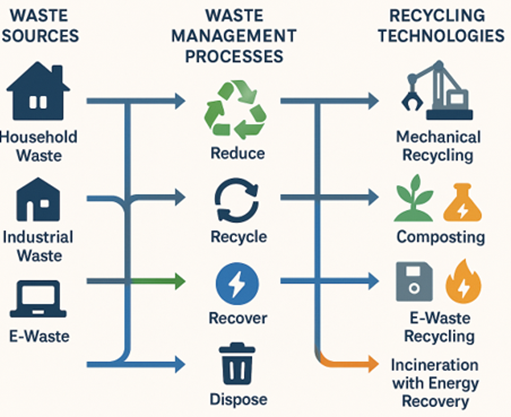
Figure 1: Systematic diagram of waste source, waste management processes and of recycling technology and processes.
Waste Reduction and Source Segregation: Waste reduction at the source remains the most effective strategy for minimizing environmental impacts. Source reduction includes sustainable product design, material efficiency, extended producer responsibility (EPR), and behavioral interventions that limit unnecessary consumption. Segregation of waste streams at the point of generation typically into organic, recyclable, and hazardous fractions improves downstream processing efficiency, enhances recycling quality, and reduces contamination rates. Recent studies highlight that effective source separation significantly increases material recovery rates and lowers operational costs in municipal systems [Jiang and Bateer, 2023; Singh and Walker, 2024].
Collection and Transportation: Efficient collection and transportation systems are critical to sustainable waste management. The integration of smart technologies such as Internet of Things (IoT)-enabled bins, fill-level sensors, geographic information systems (GIS), and GPS-optimized routing has improved operational efficiency and reduced fuel consumption and greenhouse gas emissions. Artificial intelligence (AI)-based route optimization models further enhance collection efficiency in urban environments by minimizing travel distance and operational costs [Nesmachnow and Rossit, 2023]. These digital innovations contribute to lower carbon footprints and improved service reliability.
Treatment and Disposal Technologies
Engineered Landfills: Although landfill disposal is the least preferred option within the waste hierarchy, it remains necessary for residual waste fractions. Modern engineered landfills incorporate leachate collection and treatment systems, landfill liners, and methane capture technologies. Captured landfill gas can be utilized for electricity generation, thereby reducing methane emissions and contributing to climate change mitigation [ISWA, 2024].
Incineration and Waste-to-Energy (WtE): Incineration with energy recovery reduces waste volume by up to 90% while generating electricity and heat. Advanced flue gas cleaning systems minimize emissions of particulate matter, dioxins, and heavy metals. Waste-to-energy facilities are particularly relevant in densely populated urban regions where landfill space is limited. Recent techno-environmental assessments indicate that WtE systems, when properly managed, can provide net environmental benefits compared to uncontrolled landfilling [Arena and Di Gregorio, 2022].
Composting: Composting is a biological treatment process in which organic waste is aerobically decomposed into nutrient-rich compost. This process diverts biodegradable waste from landfills, reduces methane formation, and enhances soil fertility. Composting plays a crucial role in sustainable agricultural systems and climate-resilient soil management [Lim and Wu, 2022].
Recycling Technologies
Recycling technologies transform waste materials into secondary raw materials, thereby conserving natural resources and reducing environmental impacts associated with virgin material extraction.
Mechanical Recycling: Mechanical recycling involves physical processing steps such as sorting, shredding, washing, and remolding.
- Plastic Recycling: Advanced optical sorting systems, near-infrared (NIR) spectroscopy, and AI-assisted robotic separation have significantly improved polymer identification and purity levels. However, mechanical recycling remains limited by polymer degradation and contamination challenges [Geyer et al., 2022].
- Metal Recycling: Recycling metals such as aluminum and steel requires substantially less energy compared to primary production. For example, recycled aluminum production consumes up to 95% less energy than extraction from bauxite ore, contributing significantly to greenhouse gas reduction efforts [IAI, 2023].
Chemical Recycling: Chemical recycling (also referred to as advanced or feedstock recycling) involves depolymerization processes such as pyrolysis, solvolysis, and gasification to convert plastic waste into monomers or chemical feedstocks. These technologies enable the recycling of mixed or contaminated plastics that are unsuitable for mechanical methods. Recent life-cycle assessments indicate that chemical recycling can complement mechanical systems within integrated circular plastic strategies, though energy intensity remains a challenge [Soni et al., 2024].
Electronic Waste (E-Waste) Recycling: E-waste represents one of the fastest-growing waste streams globally. Recycling processes typically involve manual dismantling followed by hydrometallurgical or pyrometallurgical treatments to recover valuable metals such as gold, silver, copper, and rare earth elements. Emerging bio hydrometallurgical techniques are being explored to improve metal recovery efficiency while reducing environmental toxicity [Phogat et al., 2024].
Waste-to-Energy and Thermochemical Technologies
Anaerobic Digestion: Anaerobic digestion (AD) is a biological process in which microorganisms decompose organic waste in the absence of oxygen to produce biogas (primarily methane and carbon dioxide) and digestate. Biogas can be upgraded to biomethane and used as a renewable energy source. AD contributes to nutrient recycling and reduces methane emissions from uncontrolled organic waste decomposition [Li et al., 2023].
Pyrolysis and Gasification: Pyrolysis and gasification are thermochemical conversion processes that transform waste materials into syngas, bio-oil, or char under controlled temperature conditions with limited or no oxygen supply. These technologies are increasingly investigated for plastic and biomass waste valorization, offering potential pathways toward energy recovery and chemical production [Wang et al., 2023].
Technology’s Role in Modern Waste Management
Technological innovation has significantly transformed conventional waste management systems into data-driven, resource-efficient, and environmentally sustainable frameworks. The integration of digital technologies, automation, biological treatment processes, and circular economy policies has enhanced operational efficiency, material recovery rates, and environmental performance.
Automated Segregation and Intelligent Sorting: Advanced material recovery facilities (MRFs) increasingly employ artificial intelligence (AI), machine learning algorithms, robotics, and optical sorting technologies to improve segregation efficiency. Near-infrared (NIR) spectroscopy, hyperspectral imaging, and sensor-based systems enable precise identification of polymer types, metals, and composite materials. Robotic arms guided by deep learning models can distinguish recyclables from contaminants with high accuracy, thereby reducing human error and increasing recovery rates. Recent studies demonstrate that AI-assisted sorting systems significantly reduce contamination levels and improve the economic viability of recycling operations [Jiang and Bateer, 2023; Singh and Walker, 2024].
Smart Waste Collection Systems: The deployment of Internet of Things (IoT) technologies has optimized waste collection logistics. Smart bins equipped with fill-level sensors transmit real-time data to centralized platforms, enabling dynamic route optimization using geographic information systems (GIS) and predictive analytics. These systems reduce unnecessary collection trips, lower fuel consumption, and decrease greenhouse gas emissions. Urban case studies published in recent smart-city research highlight that sensor-based routing systems can reduce operational costs by up to 30% while improving service reliability [Nesmachnow et al., 2023].
Digital Platforms for E-Waste Management: Electronic waste (e-waste) is one of the fastest-growing global waste streams. Digital tracking platforms supported by blockchain and AI technologies enhance traceability across the e-waste value chain- from collection to dismantling and material recovery. Such systems reduce illegal dumping, improve regulatory compliance, and increase recovery of critical raw materials such as rare earth elements. Recent analyses emphasize the importance of digital monitoring systems in achieving sustainable and transparent e-waste management frameworks [Phogat et al., 2024].
Biological Processing Technologies: Biological treatment technologies play a critical role in managing biodegradable waste fractions. Anaerobic digestion (AD) processes convert organic waste into biogas (methane and carbon dioxide) and nutrient-rich digestate, contributing to renewable energy production and nutrient cycling. Similarly, aerobic composting transforms organic waste into stable compost suitable for soil amendment. Recent life-cycle assessments confirm that biological processing technologies significantly reduce greenhouse gas emissions compared to landfill disposal, particularly for food and agricultural waste streams [Li et al., 2023].
Take-Back Systems and Circular Economy Integration: Extended Producer Responsibility (EPR) and take-back schemes require manufacturers to manage products at the end of their life cycle. These policies incentivize eco-design, improve product recyclability, and shift waste management costs upstream to producers. The integration of digital monitoring tools within EPR systems enhances accountability and transparency. Contemporary circular economy research underscores that policy-driven technological innovation is essential for transitioning from linear “take–make–dispose” models to regenerative material systems [Kirchherr et al., 2022]. Collectively, these technological advancements demonstrate a paradigm shift in waste governance, supporting global sustainability targets and climate mitigation strategies.
Types of Waste
Accurate classification of waste streams is essential for implementing appropriate treatment and recovery technologies (Figure 1 and Table 1). Waste is commonly categorized as follows:
Municipal Solid Waste (MSW): Municipal solid waste consists of household, commercial, and institutional waste, including paper, plastics, food waste, glass, metals, textiles, and packaging materials. Rapid urbanization has significantly increased MSW generation worldwide, necessitating integrated management systems that combine recycling, biological treatment, and energy recovery technologies [Kaza et al., 2022].
Industrial Waste: Industrial waste originates from manufacturing, mining, construction, and energy production activities. This category includes process residues, scrap materials, sludge, and chemical by-products. Sustainable industrial waste management increasingly emphasizes resource recovery, industrial symbiosis, and circular manufacturing strategies [Baldassarre et al., 2023].
Hazardous Waste: Hazardous waste contains toxic, flammable, corrosive, or reactive substances that pose significant risks to human health and the environment. Examples include batteries, medical waste, solvents, heavy metals, and chemical residues. Strict regulatory frameworks and specialized treatment technologies such as high-temperature incineration and stabilization—are required to ensure safe disposal [UNEP, 2022].
Electronic Waste (E-Waste): E-waste comprises discarded electrical and electronic equipment, including computers, smartphones, televisions, and household appliances. The rapid obsolescence of electronic devices has intensified global e-waste generation. Advanced hydrometallurgical, pyrometallurgical, and bioleaching processes are increasingly applied to recover valuable metals and rare earth elements from these complex waste streams [Phogat et al., 20244].
Organic Waste: Organic waste includes biodegradable materials such as food scraps, yard trimmings, and agricultural residues. Due to its high moisture and nutrient content, organic waste is particularly suitable for composting and anaerobic digestion processes, supporting soil health and renewable energy production [Li et al., 2023].
Table 1: Recycling Technologies for Sustainable Waste Management.
| Recycling Technology | Scientific Description |
| Mechanical Recycling | Physical processing (sorting, shredding, washing, and remolding) of plastics, metals, glass, and paper to produce secondary raw materials. |
| Chemical Recycling | Depolymerization or conversion of plastic and composite waste into monomers, fuels, or chemical feedstock through pyrolysis, gasification, solvolysis, or other chemical processes. |
| Composting | Aerobic biological decomposition of organic waste (food, agricultural residues) to produce stabilized, nutrient‑rich compost used for soil enhancement. |
| Anaerobic Digestion | Oxygen‑free microbial degradation of organic waste producing biogas (methane + CO₂) and digestate for use as bio‑fertilizer. |
| E‑Waste Recycling | Mechanical, hydrometallurgical, pyrometallurgical, or bioleaching processes used to recover valuable metals (Au, Ag, Cu, rare earth elements) from discarded electronic equipment. |
| Incineration with Energy Recovery | Controlled combustion of non‑recyclable waste to generate heat and electricity, with emission‑control systems for reduced environmental impact. |
Principles of Waste Management
Sustainable waste management is guided by a hierarchical framework designed to minimize environmental impacts while maximizing resource efficiency. The waste management hierarchy prioritizes prevention and material recovery over final disposal, forming the conceptual foundation of circular economy systems (Figure 2).
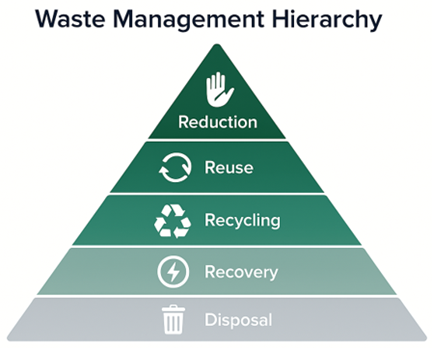
Figure 2: Principal of Waste Management technology and impact on sustainable development.
Reduction: Waste reduction (or prevention) represents the most preferred strategy within the hierarchy. It involves minimizing waste generation at the source through sustainable product design, efficient material utilization, cleaner production technologies, and responsible consumption practices. Strategies such as lightweight packaging, eco-design, and extended producer responsibility (EPR) policies contribute significantly to source reduction. Recent circular economy research emphasizes that prevention strategies deliver the highest environmental benefits by avoiding resource extraction and downstream waste treatment emissions [Kirchherr et al.,2022].
Reuse: Reuse extends the lifespan of products and materials without substantial reprocessing. This includes repair, refurbishment, remanufacturing, and redistribution systems. Reuse strategies reduce the demand for virgin materials, lower embedded energy consumption, and decrease overall waste generation. Studies indicate that reuse systems, particularly in electronics and packaging sectors, can substantially reduce life-cycle environmental impacts compared to single-use models [Bocken et al., 2024].
Recycling: Recycling involves processing waste materials into secondary raw materials that can re-enter manufacturing systems. Effective recycling conserves natural resources, reduces energy consumption, and mitigates greenhouse gas emissions. However, recycling efficiency depends heavily on material purity, segregation practices, and technological capability. Advanced sorting systems and improved collection infrastructures have significantly enhanced recycling performance in recent years [Singh and Walker, 2024].
Recovery: Recovery refers to the extraction of value from waste materials, either in the form of materials or energy. Energy recovery technologies-such as waste-to-energy (WtE) incineration, anaerobic digestion, pyrolysis, and gasification-convert residual waste into electricity, heat, or fuels. Material recovery also includes extraction of metals and critical raw materials from complex waste streams, such as electronic waste. Contemporary assessments suggest that recovery technologies can complement recycling systems, particularly for non-recyclable fractions, while reducing landfill dependency [Soni et al., 2024].
Disposal: Disposal is considered the least desirable option within the waste hierarchy and is reserved for waste that cannot be reused, recycled, or recovered. Modern engineered landfills incorporate environmental safeguards such as impermeable liners, leachate collection systems, and methane capture technologies to minimize ecological impacts. Despite technological improvements, landfill disposal remains associated with long-term environmental risks, reinforcing the need to prioritize upstream waste management strategies [ISWA, 2022].
Recycling Technologies
Recycling technologies have evolved significantly, integrating mechanical, chemical, biological, and thermochemical processes to manage diverse waste streams effectively (Table 1).
Mechanical Recycling: Mechanical recycling involves physical processes such as sorting, shredding, washing, melting, and remolding to convert waste materials into new products. It is widely applied to plastics, paper, glass, and metals. Technological advancements, including AI-based optical sorting and robotic separation systems, have improved material purity and process efficiency. However, mechanical recycling of plastics remains constrained by polymer degradation and contamination issues [Jiang and Bateer, 2023].
Chemical Recycling: Chemical recycling (also referred to as advanced or feedstock recycling) breaks down polymers into monomers or other chemical feedstocks through processes such as depolymerization, pyrolysis, solvolysis, and gasification. This approach is particularly valuable for mixed or contaminated plastics that are unsuitable for mechanical recycling. Recent life-cycle analyses indicate that chemical recycling can enhance circularity, although energy intensity and economic feasibility remain critical considerations [Wang et al., 2023].
Composting: Composting is an aerobic biological process that converts biodegradable organic waste into stabilized compost. This technology diverts organic fractions from landfills, reduces methane emissions, and enhances soil fertility. Recent research highlights improvements in process optimization, including temperature control, microbial inoculation, and aeration strategies, to increase compost quality and reduce processing time [Lim and Wu, 2022].
Anaerobic Digestion: Anaerobic digestion (AD) utilizes microorganisms to decompose organic waste in oxygen-free conditions, producing biogas and nutrient-rich digestate. Biogas can be used for electricity generation, heating, or upgraded to biomethane for grid injection. AD plays a dual role in renewable energy production and waste stabilization. Recent sustainability assessments confirm its effectiveness in reducing greenhouse gas emissions compared to conventional landfill disposal [Li et al, 2023].
E-Waste Recycling: Electronic waste recycling employs mechanical pre-treatment followed by hydrometallurgical, pyrometallurgical, or bioleaching techniques to recover valuable metals such as gold, copper, lithium, and rare earth elements. With increasing global demand for critical raw materials, advanced metal recovery technologies are gaining strategic importance. Recent studies emphasize the need for environmentally sound and economically viable recovery methods to address the rapidly growing e-waste stream [Phogat et al., 2024].
Incineration with Energy Recovery: Incineration with energy recovery involves controlled combustion of residual waste to generate electricity and heat. Modern facilities incorporate advanced flue gas cleaning systems to limit emissions of dioxins, furans, and particulate matter. While controversial in some regions, WtE remains an important option for managing non-recyclable waste in densely populated areas where landfill capacity is limited [Singh and Walker, 2024].
Role of Technology and Innovation
Technological innovation is fundamentally reshaping waste management systems, transitioning them from conventional collection-and-disposal models toward integrated, data-driven, and circular resource management frameworks. The incorporation of digital technologies, advanced materials science, and intelligent monitoring systems enhances operational efficiency, transparency, and sustainability outcomes.
Artificial Intelligence and Robotics: Artificial intelligence (AI) and robotics are increasingly deployed in material recovery facilities (MRFs) to automate waste sorting and improve material purity. Machine learning algorithms, computer vision systems, and robotic manipulators enable high-speed identification and separation of recyclable fractions, reducing contamination and labour intensity. AI-based anomaly detection systems can identify hazardous or non-conforming materials within recycling streams, improving operational safety. Furthermore, predictive analytics and optimization algorithms enhance route planning for waste collection vehicles, reducing fuel consumption and greenhouse gas emissions. Recent studies confirm that AI-enabled sorting technologies significantly improve recovery rates and economic performance in recycling facilities [Jiang and Bateer, 2023; Nesmachnow et al., 2023].
Internet of Things (IoT) and Smart Monitoring Systems: IoT-enabled sensors integrated into waste bins and collection infrastructure allow real-time monitoring of fill levels, temperature, and waste composition. These data streams support dynamic scheduling and route optimization using geographic information systems (GIS) and cloud-based platforms. Smart waste systems implemented in urban environments have demonstrated measurable reductions in operational costs and carbon emissions, while improving service efficiency. Recent smart-city research highlights IoT integration as a key enabler of data-driven waste governance and sustainable urban management [Longhi et al., 2022].
Blockchain for Traceability and Transparency: Blockchain technology offers decentralized and tamper-resistant data management for tracking waste flows across recycling value chains. By ensuring traceability from waste generation to final processing, blockchain platforms enhance accountability, reduce illegal dumping, and strengthen compliance with extended producer responsibility (EPR) regulations. Recent research emphasizes the potential of blockchain systems to improve transparency in plastic recycling and e-waste management sectors, particularly in complex global supply chains [Saberi et al., 2022].
Biodegradable and Bio-Based Materials: Innovations in biodegradable and bio-based materials represent a complementary technological strategy to reduce waste generation. Advances in polymer science have led to the development of compostable packaging materials derived from renewable resources, such as polylactic acid (PLA) and polyhydroxyalkanoates (PHAs). These materials can reduce reliance on fossil-based plastics and mitigate long-term environmental pollution when integrated into appropriate waste treatment systems. However, recent assessments underscore the importance of aligning biodegradable material deployment with adequate composting infrastructure to ensure environmental benefits [Dilkes-Hoffman et al., 2022]. Collectively, these emerging technologies illustrate the convergence of digitalization, automation, and sustainable material innovation in advancing modern waste management systems aligned with circular economy principles.
Environmental and Economic Benefits
Effective waste management and recycling systems generate substantial environmental, economic, and social benefits.
Environmental Protection: Integrated waste management reduces air, soil, and water pollution by diverting waste from uncontrolled dumping and poorly managed landfills. Recycling conserves natural resources by reducing demand for virgin raw materials, while biological treatment and energy recovery technologies mitigate methane emissions from organic waste. Recent life-cycle assessments demonstrate that recycling and composting programs significantly reduce greenhouse gas emissions compared to landfilling, contributing to climate change mitigation goals [Li et al., 2023].
Economic Opportunities: The waste management and recycling sector contributes to green job creation across collection, sorting, processing, technology development, and energy recovery industries. Circular economy models stimulate innovation, foster new business opportunities, and enhance resource productivity. Studies published between 2022 and 2024 highlight the economic resilience and employment generation potential of recycling and waste-to-energy sectors within sustainable development strategies [Kirchherr et al., 2022].
Resource Efficiency and Circularity: Recycling and recovery technologies enhance material circularity by reintegrating secondary raw materials into production cycles. This reduces dependence on finite natural resources and strengthens supply chain resilience, particularly for critical raw materials used in electronics and renewable energy technologies. Recent circular economy analyses emphasize that resource efficiency improvements are central to achieving long-term environmental sustainability and industrial competitiveness [Baldassarre et al., 2023].
Public Health Benefits: Proper waste management reduces human exposure to hazardous substances, pathogens, and toxic emissions. Safe handling of medical, hazardous, and electronic waste prevents contamination of soil and groundwater resources and reduces disease vectors in urban environments. Contemporary environmental health research underscores the critical link between effective waste governance and improved community health outcomes [WHO, 2023].
Waste Management in the Context of Global Sustainability
Sustainable waste management is intrinsically linked to global environmental governance and international development frameworks. In particular, waste management systems play a critical role in achieving the United Nations Sustainable Development Goals (SDGs), adopted under the 2030 Agenda for Sustainable Development. Effective waste prevention, recycling, and resource recovery directly contribute to SDG 6 (Clean Water and Sanitation), SDG 11 (Sustainable Cities and Communities), SDG 12 (Responsible Consumption and Production), and SDG 13 (Climate Action). Improved solid waste management reduces marine litter, mitigates greenhouse gas emissions, prevents soil and groundwater contamination, and enhances urban resilience [UN, 2023]. Globally, municipal solid waste generation continues to rise due to urbanization, economic growth, and changing consumption patterns. Recent assessments by the United Nations Environment Programme emphasize that unsound waste management practices contribute significantly to climate change, biodiversity loss, and environmental degradation, particularly in low- and middle-income countries [UNEP, 2024]. Methane emissions from unmanaged landfills represent a substantial share of anthropogenic greenhouse gas emissions, reinforcing the importance of integrated waste systems aligned with climate mitigation strategies.
Technological innovation is increasingly recognized as a key enabler of sustainable urban waste governance. Smart city initiatives incorporate automated vacuum collection systems, sensor-based monitoring networks, artificial intelligence–assisted sorting technologies, and digital recycling platforms to improve efficiency and reduce environmental burdens. Empirical studies published between 2022 and 2024 demonstrate that digitalized waste collection systems can significantly reduce fuel consumption, optimize resource allocation, and enhance service coverage in rapidly growing urban centers [Nesmachnow et al., 2023]. Furthermore, integration of data analytics and IoT infrastructure supports evidence-based policymaking and long-term planning for circular material flows. Beyond technological solutions, waste management is increasingly framed as a matter of environmental justice and public responsibility. Governments and regulatory authorities are strengthening policy instruments such as extended producer responsibility (EPR), circular economy roadmaps, and national waste action plans. Judicial institutions in several jurisdictions have reinforced the obligation of governments to ensure environmentally sound waste management as part of the broader right to a healthy environment. Contemporary environmental governance research underscores that effective waste systems require coordinated institutional frameworks, stakeholder engagement, and regulatory enforcement mechanisms [Kirchherr et al., 2022]. Moreover, waste management contributes to sustainable economic development by fostering green employment, promoting secondary material markets, and reducing dependence on virgin resource extraction. Circular economy transitions-supported by digital technologies, material innovation, and regulatory reform-are increasingly positioned as strategic pathways toward low-carbon and resource-efficient economies [Baldassarre et al., 2023]. In summary, waste management is no longer confined to municipal service provision but represents a core component of global sustainability strategies. Aligning technological innovation, regulatory frameworks, and community participation with international sustainability objectives is essential for achieving long-term environmental resilience and equitable development.
Environmental Imperatives
The environmental consequences of inadequate waste management are extensive and multidimensional, affecting terrestrial, aquatic, and atmospheric systems. Mismanaged solid waste contributes to soil contamination, groundwater pollution, marine debris accumulation, and the release of hazardous substances into ecosystems. Open dumping and uncontrolled landfilling facilitate the leaching of heavy metals, persistent organic pollutants, and microplastics into surrounding environments, posing long-term ecological and human health risks [Kaza et al., 2022]. Recycling and integrated waste management systems play a critical role in mitigating these environmental impacts. By diverting recyclable materials from landfills and incineration facilities, recycling conserves natural resources, reduces extraction pressures on ecosystems, and lowers cumulative energy demand. For example, recycling aluminum can reduce energy consumption by up to 95% compared to primary production from bauxite ore, while recycled steel production requires substantially less energy than production from virgin iron ore [IAI, 2023]. Similarly, paper recycling reduces deforestation pressures, water use, and energy intensity associated with pulp production. A key environmental benefit of effective waste management lies in its contribution to climate change mitigation. Organic waste disposed of in anaerobic landfill conditions decomposes to produce methane (CH₄), a greenhouse gas with a global warming potential significantly higher than carbon dioxide over a 20-year timeframe. According to the Intergovernmental Panel on Climate Change, methane emissions represent a major driver of near-term global warming, and waste management systems account for a notable share of anthropogenic methane releases [UNEP, 2024]. Landfill gas capture systems, composting, and anaerobic digestion technologies substantially reduce these emissions.
Recent life-cycle assessment (LCA) studies demonstrate that recycling and composting programs can significantly decrease greenhouse gas emissions relative to landfill disposal. These emission reductions are achieved through avoided virgin material production, lower energy consumption, and methane mitigation. The United Nations Environment Programme reports that transitioning to circular waste systems could reduce global waste-sector emissions by hundreds of millions of tons of CO₂-equivalent annually by 2030 [UNEP, 2024]. In practical terms, large-scale recycling initiatives have been shown to generate emission reductions comparable to removing millions of passenger vehicles from the road network [Li et al., 2023]. Beyond climate mitigation, effective waste management reduces biodiversity loss and marine pollution. Plastic waste leakage into oceans disrupts marine ecosystems and food chains, while improper hazardous waste disposal contaminates freshwater resources. Comprehensive waste governance frameworks that integrate reduction, reuse, recycling, and recovery are therefore essential to achieving environmental sustainability and safeguarding ecosystem services. In summary, environmentally sound waste management is not only a matter of sanitation and urban service provision but also a critical strategy for climate action, resource conservation, pollution prevention, and ecological resilience. Strengthening recycling infrastructure and advancing circular economy transitions are imperative to mitigate the escalating environmental burdens associated with global waste generation.
Economic and Social Benefits
Beyond environmental protection, integrated waste management and recycling systems generate substantial economic and social benefits that contribute to sustainable development and circular economy transitions.
Resource Conservation and Material Security: Recycling enables the recovery of valuable secondary raw materials, including metals, plastics, paper, and glass, thereby reducing reliance on virgin resource extraction. This is particularly significant for critical raw materials used in renewable energy technologies, electronics, and advanced manufacturing sectors. Recent circular economy assessments emphasize that improved material recovery enhances resource security, reduces ecological degradation associated with mining and deforestation, and strengthens supply chain resilience [Baldassarre et al., 2023]. By reintegrating recovered materials into production systems, recycling supports long-term industrial sustainability and reduces environmental externalities.
Cost Efficiency and Economic Savings: Efficient waste management systems can generate considerable cost savings for municipalities and industries. Investments in waste prevention, segregation, and recycling infrastructure reduce long-term expenditures related to landfill operation, environmental remediation, and pollution control. Life-cycle cost analyses published in recent years demonstrate that integrated waste management systems combining recycling, composting, and energy recovery often outperform landfill-dominated systems in terms of long-term economic efficiency [Li et al., 2023]. Furthermore, digital technologies such as IoT-enabled collection systems and AI-based route optimization contribute to operational cost reductions and improved service delivery.
Employment Generation and Green Economy Growth: The waste management and recycling sector plays an important role in green job creation. Employment opportunities arise across the value chain, including waste collection, material recovery, recycling facility operation, repair and refurbishment services, and technology development. Compared to landfill disposal, recycling systems are generally more labor-intensive and thus create higher employment per unit of waste processed. Recent global assessments by the International Labour Organization highlight that circular economy transitions, including recycling expansion, can generate millions of new jobs worldwide while supporting inclusive and sustainable economic growth [ILO, 2023]. In addition, innovation in waste-to-energy technologies and secondary material markets fosters entrepreneurship and private-sector investment, further stimulating local and regional economies.
Public Health and Social Well-being: Effective waste management systems significantly reduce public health risks associated with unmanaged waste. Open dumping and uncontrolled burning release toxic emissions and create breeding grounds for disease vectors, increasing the incidence of respiratory illnesses, waterborne diseases, and other health hazards. Proper segregation, safe disposal of hazardous waste, and controlled treatment processes mitigate these risks and improve overall community well-being. The World Health Organization emphasizes that improved waste governance is directly linked to better sanitation outcomes and reduced environmental health burdens, particularly in urban and peri-urban areas [WHO, 2022]. Moreover, equitable access to reliable waste services contributes to social inclusion and environmental justice, ensuring that vulnerable populations are not disproportionately exposed to pollution and hazardous waste.
Benefits of Waste Management and Recycling
Effective waste management and recycling systems provide multidimensional benefits encompassing environmental, economic, energy, and public health domains. These benefits are central to sustainable urban development and the transition toward circular economy models (Figure 3).
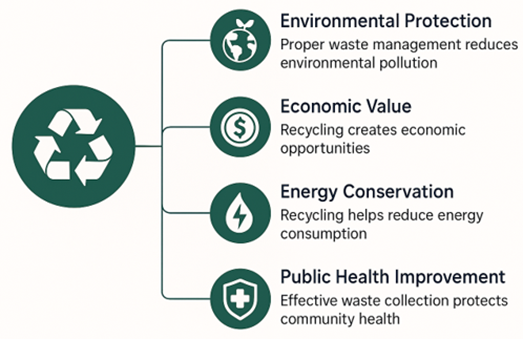
Figure 3: Impact and benefit of Waste Management and recycling technology.
Environmental Protection: Proper waste management reduces environmental pollution by diverting waste from uncontrolled landfills, open dumps, and incineration without energy recovery. Recycling conserves natural resources, including metals, minerals, water, and timber, by reintroducing secondary materials into production cycles. Moreover, recycling and organic waste treatment reduce greenhouse gas (GHG) emissions by preventing methane release from anaerobic landfill decomposition and by lowering energy demands for primary material production. Recent studies confirm that integrated recycling and composting programs can reduce CO₂-equivalent emissions substantially, contributing to climate mitigation targets [Li et al., 2023; UNEP, 2024].
Economic Value: Recycling and waste management systems create economic opportunities through the recovery and sale of secondary raw materials, establishment of material-processing industries, and promotion of circular business models. Employment is generated across the waste management value chain, from collection and sorting to advanced material processing and waste-to-energy operations. In addition, recovered materials reduce the costs associated with purchasing virgin resources, offering significant long-term savings for industries and municipalities [Baldassarre et al., 2023].
Energy Conservation: Recycling of energy-intensive materials such as aluminum, steel, and plastics markedly reduces energy consumption compared to production from virgin resources. For example, recycling aluminum can save up to 95% of the energy required for primary production, while steel recycling typically reduces energy demand by 60-70%. Such energy savings contribute not only to environmental sustainability but also to cost reductions in industrial processes [IAI, 2023].
Public Health Improvement: Efficient waste collection, segregation, and treatment prevent the accumulation of waste that can serve as breeding grounds for disease vectors or release harmful substances into soil and water. Proper management of hazardous and biomedical waste further protects communities from chemical, microbial, and toxic exposure. Studies indicate that municipalities with well-implemented recycling and waste management systems demonstrate lower incidences of waste-related health risks and improved community well-being [WHO, 20225]. In conclusion, waste management and recycling offer integrated benefits that advance environmental protection, economic growth, energy efficiency, and public health. The adoption of innovative technologies and policy frameworks further enhances these outcomes, supporting sustainable development goals and circular economy transitions.
Challenges, Future Trends, and Future Directions
Despite significant technological and policy advancements, modern waste management and recycling systems face several persistent challenges that limit efficiency, economic viability, and environmental performance.
Challenges in Waste Management and Recycling
- Contamination in Recycling Streams: Improper segregation of waste reduces the purity and quality of recyclable materials, leading to increased processing costs and lower recovery rates. Contamination is particularly problematic in mixed plastic streams and electronic waste [Nesmachnow et al., 2023].
- High Capital and Operational Costs: Establishing and maintaining advanced recycling facilities and waste-to-energy (WtE) plants require substantial financial investments, which can be a barrier for municipalities in developing regions [ Li et al., 2023].
- Policy and Regulatory Gaps: Ineffective enforcement of waste management regulations, inconsistent standards, and weak incentives for circular practices limit the effectiveness of existing systems. Integrated policy frameworks and regulatory compliance are critical for sustainable waste management [Kirchherr et al., 2022].
- Public Awareness and Participation: Low levels of public engagement in waste segregation, recycling, and source reduction hinder the efficiency of municipal systems. Behavioral change campaigns and community education are essential for improving participation rates [Baldassarre et al., 2023].
- Complex Waste Streams: The rise of heterogeneous and hazardous waste streams, including multi-material packaging and e-waste, presents significant technological and logistical challenges for recycling and safe disposal [UNEP, 2024].
- Technological Limitations: Certain plastics, composites, and hazardous materials remain difficult to recycle due to chemical complexity or contamination, necessitating the development of innovative recycling technologies [Dilkes-Hoffman et al., 2022].
Future Trends in Waste Management
The trajectory of waste management is increasingly focused on innovation, sustainability, and circular economy integration. Emerging trends include:
- Smart Waste Management Systems: The integration of IoT sensors, artificial intelligence (AI), and data analytics enables real-time monitoring, predictive collection scheduling, and optimized material recovery. These systems enhance operational efficiency, reduce carbon emissions, and improve urban service delivery [Longhi et al., 2022].
- Advanced Recycling Materials and Technologies: Development of biodegradable plastics, chemically recyclable polymers, and bio-based packaging materials addresses the challenge of non-recyclable or hard-to-recycle wastes. Chemical recycling, in particular, allows recovery of monomers from complex plastic waste streams for reintegration into production cycles [Jambeck et al., 2023].
- Circular Economy Practices: Waste management is increasingly being embedded within circular economy frameworks, linking production, consumption, and post-consumer waste streams. By designing products for reuse, repair, and recyclability, circular systems minimize resource depletion and reduce environmental impacts [Li et al., 2022].
- Energy-from-Waste Technologies: Waste-to-energy solutions, including anaerobic digestion, pyrolysis, gasification, and incineration with energy recovery, provide renewable energy while reducing landfill reliance. Recent advances improve biogas yields, energy efficiency, and emissions control, supporting low-carbon urban energy strategies [Wang et al., 2023].
Future Directions, Research and Policy Development
To address these challenges and capitalize on emerging trends, future research and policy development (Figure 4) should focus on:
- Developing scalable and cost-effective technologies for complex and contaminated waste streams.
- Enhancing public awareness and behavioral interventions to increase participation in waste segregation and recycling.
- Standardizing e-waste and plastic recycling regulations at national and global levels.
- Integrating AI, blockchain, and IoT solutions for predictive and transparent waste management.
- Expanding circular economy strategies to include industrial symbiosis, product stewardship, and resource recovery loops.
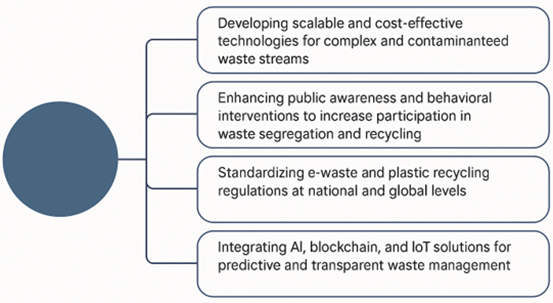
Figure 4: Future direction research and policy development for cost effective technology.
Collectively, these strategies position waste management and recycling as central components of sustainable urban development, climate action, and resource-efficient economies.
Conclusion
Waste management and recycling technologies are critical pillars for achieving sustainable development and environmental resilience. The escalating global generation of municipal, industrial, hazardous, and electronic waste poses significant challenges to urban infrastructure, public health, and natural ecosystems. Effective waste management encompassing reduction, segregation, recycling, recovery, and safe disposal combined with advanced recycling technologies, provides pathways to mitigate these challenges while supporting circular economy transitions.
The integration of innovative technologies such as artificial intelligence, robotics, IoT-enabled smart collection systems, chemical recycling, and waste-to-energy platforms has transformed traditional waste management into a highly efficient, data-driven, and sustainable process. These technological solutions, when coupled with sound policy frameworks, corporate responsibility, and public engagement, can significantly reduce environmental pollution, lower greenhouse gas emissions, conserve critical natural resources, and enhance community well-being [Li et al., 2023; Baldassarre et al., 2023; UNEP, 2024]. Beyond environmental benefits, sustainable waste management delivers substantial economic and social advantages. Recycling and recovery processes create green jobs, stimulate local economies, reduce dependence on virgin raw materials, and optimize energy consumption in industrial production. Simultaneously, proper waste handling safeguards public health by minimizing exposure to hazardous materials and disease vectors, particularly in urban and densely populated areas [WHO, 2022; Kirchherr et al., 2022].
Future waste management strategies must emphasize the adoption of circular economy principles, development of fully biodegradable and chemically recyclable materials, and global standardization of e-waste and plastic recycling practices. Smart waste systems leveraging AI, predictive analytics, and blockchain can enhance transparency, traceability, and operational efficiency, making waste management not only environmentally sustainable but also economically viable [Nesmachnow et al., 2023; Jambeck et al., 2023]. In essence, waste management should no longer be perceived solely as an operational necessity or disposal challenge. Instead, it must be recognized as a strategic opportunity for resource optimization, technological innovation, and societal transformation. By rethinking waste as a resource and embedding circular practices into production and consumption cycles, societies can achieve resilient, low-carbon, and sustainable urban ecosystems. The convergence of scientific innovation, technology deployment, regulatory enforcement, and community engagement will define the trajectory of global sustainable waste management in the 21st century. Sustainable waste management is thus not only a responsibility but also a strategic enabler for a cleaner, healthier, and more prosperous future, aligning with global environmental goals and the United Nations Sustainable Development Goals (SDGs), including responsible consumption and production (SDG 12), sustainable cities and communities (SDG 11), and climate action (SDG 13) [Li et al., 2022; IPCC, 2023].
Declarations
Competing Interests
The author of this manuscript confirms that there is not any conflict of interest associated with the manuscript
Ethical Approval
Not applicable.
Consent to Participate
Not applicable.
References
- Arena, U., Di Gregorio, F. (2022). Waste-to-energy technologies and environmental performance: Recent advances. Waste Management. 41:60-74.
Publisher | Google Scholor - Arena, U. (2012). Process and technological aspects of municipal solid waste gasification. Waste Management. 32(4):625-639.
Publisher | Google Scholor - Baldassarre, B., Calabretta, G., Bocken, N., Jaskiewicz, T. 2(023). Circular economy business model innovation: Economic and social implications. Resources, Conservation & Recycling. 190:106732.
Publisher | Google Scholor - Forti, V., Balde, C. P., Kuehr, R., Bel, G. (2020). The Global E Waste Monitor 2020: Quantities, flows and the circular economy potential. Bonn, Geneva, Rotterdam: United Nations University (UNU) /United Nations Institute for Training and Research (UNITAR)/International Telecommunication Union (ITU) / International Solid Waste Association (ISWA), 119.
Publisher | Google Scholor - Bocken, N. M. P., Stahel, W. R., Dobrauz, G. (2024). Circular business model innovation: New avenues and game changers. In: Business Model Innovation. Springer; 193-225.
Publisher | Google Scholor - Cimpan, C., Maul, A., Jansen, M., Pretz, T., Wenzel, H. (2015). Central sorting and recovery of MSW recyclable materials: A review. Waste Management. 45:162-175.
Publisher | Google Scholor - Davidson, H. (2024). Technological advancements in recycling: New frontiers for recyclable waste. J Environ Waste Manage Recycling. 7(5):228.
Publisher | Google Scholor - Dilkes-Hoffman, L. S., Laycock, B., Pratt, S. (2022). Advances in chemical recycling and biodegradable materials. Journal of Cleaner Production. 355:131694.
Publisher | Google Scholor - Dilkes-Hoffman, L. S., Pratt, S., Laycock, B., Ashworth, P., Lant, P. A. (2022). Environmental impacts and trade-offs of biodegradable plastics. Journal of Cleaner Production. 180:325-334.
Publisher | Google Scholor - European Commission (2008). Directive 2008/98/EC on Waste (Waste Framework Directive).
Publisher | Google Scholor - Geyer, R., Jambeck, J. R., Law, K. L. (2017). Production, use, and fate of all plastics ever made. Science Advances. 3(7):e1700782.
Publisher | Google Scholor - Intergovernmental Panel on Climate Change. (2021). Sixth Assessment Report (AR6). Geneva.
Publisher | Google Scholor - Intergovernmental Panel on Climate Change. (2023). Sixth Assessment Report (AR6) - Climate Change 2023: Mitigation of Climate Change. Geneva.
Publisher | Google Scholor - International Aluminium Institute. (2023). Global aluminium recycling statistics and energy savings report.
Publisher | Google Scholor - International Labour Organization (2023). World Employment and Social Outlook 2023: The Value of Essential Work. Geneva.
Publisher | Google Scholor - International Solid Waste Association. (2022). Landfill methane management and mitigation strategies.
Publisher | Google Scholor - IPCC (2023). Sixth Assessment Report (AR6) - Climate Change 2023: Mitigation of Climate Change. Geneva.
Publisher | Google Scholor - Jambeck, J. R., Hardesty, B. D., Brooks, A. L. (2023). Innovations in polymer recycling and circular economy solutions. Environmental Science & Technology. 57(4):1783-1795.
Publisher | Google Scholor - Jiang, X., Bateer, B. (2025). A systematic review of plastic recycling: technology, environmental impact and economic evaluation. Waste Manage Res. 43(8):1159-1178.
Publisher | Google Scholor - Kaza, S., Yao, L., Bhada Tata, P., Van Woerden, F. (2022). Global solid waste management and environmental impacts: Recent trends and policy responses. Waste Management.
Publisher | Google Scholor - Kaza, S., Yao, L., Bhada-Tata, P., Van Woerden, F. (2018). Global waste generation and environmental impacts. World Bank Report, 16.223-241.
Publisher | Google Scholor - Kirchherr, J., Piscicelli, L., Bour, R. (2022). Policy instruments and public participation in sustainable waste management. Journal of Cleaner Production. 339:130699.
Publisher | Google Scholor - Li, W., Shi, H., Xu, Z. (2022). Circular economy integration in municipal waste management: Global trends and future directions. Waste Management. 147:1-12.
Publisher | Google Scholor - Li, Y., Jin, Y., Borrion, A. (2023). Economic assessment of municipal solid waste management systems in emerging economies. Renewable and Sustainable Energy Reviews. 172:113037.
Publisher | Google Scholor - Li, Y., Jin, Y., Borrion, A. (2023). Life-cycle environmental and economic assessment of integrated municipal solid waste management systems. Renewable and Sustainable Energy Reviews. 172:113037.
Publisher | Google Scholor - Lim, S. L., Wu, T. Y. (2022). Composting of food waste: Recent technological advancements and sustainability perspectives. Bioresource Technology Reports. 19:230-256.
Publisher | Google Scholor - Longhi, S., Marzioni, D., Alidori, E. (2022). Smart urban waste management using IoT and AI systems. Sensors. 22(14):5350.
Publisher | Google Scholor - Nesmachnow, S., Rossit, D., Moreno-Bernal, P. (2023). Artificial intelligence and robotics for sustainable waste management: Current applications and future perspectives. Urban Science. 9(1):16.
Publisher | Google Scholor - Phogat, P., Kumar, S., Wan, M. (2025). A scientometrics study of advancing sustainable metal recovery from e-waste: processes, challenges, and future directions. RSC Sustainability. 3:2434-2454.
Publisher | Google Scholor - Saberi, S., Kouhizadeh, M., Sarkis, J. (2022). Blockchain technology and sustainable supply chain management: Recent developments. International Journal of Production Research. 57(7):2117-2135.
Publisher | Google Scholor - Sergio, Nesmachnow, Diego, Rossit., Pedro, Moreno-Bernal (2025). A literature review of recent advances on innovative computational tools for waste management in smart cities. Urban Sci. 9(1):16.
Publisher | Google Scholor - Singh, N., Walker, T. R. (2024). Plastic recycling: A panacea or environmental pollution problem. npj Mater Sustain. 2:17.
Publisher | Google Scholor - Soni, A., Gupta, S. K., Rajamohan, N., Yusuf, M. (2025). Waste-to-energy technologies: a sustainable pathway for resource recovery and materials management. Mater Adv. 6:4598-4622.
Publisher | Google Scholor - Suin, S. (2024). Revisiting e-waste management: A review of global practices and sustainability. Environ Res Technol. 7(4):588-604.
Publisher | Google Scholor - United Nations Environment Programme. (2022). Global hazardous waste management outlook.
Publisher | Google Scholor - United Nations Environment Programme. (2024). Global Waste Management Outlook 2024. Nairobi: UNEP.
Publisher | Google Scholor - United Nations (2023). The Sustainable Development Goals Report 2023. New York: UN.
Publisher | Google Scholor - United Nations (2015). Transforming Our World: The 2030 Agenda for Sustainable Development.
Publisher | Google Scholor - Wang, H., Li, J., Zhang, X. (2023). Waste-to-energy technologies and climate benefits: A review. Renewable and Sustainable Energy Reviews. 180:113547.
Publisher | Google Scholor - Wang, L., Chang, Y. M., Li, A. (2023). Pyrolysis and gasification of plastic waste: A review of recent progress. Energy Conversion and Management. 23(3):2301-2323.
Publisher | Google Scholor - World Health Organization. (2022). Global analysis of health care and municipal waste: Risks and mitigation strategies. Geneva: World Health Organization.
Publisher | Google Scholor - World Bank. (2018). What a Waste 2.0: A Global Snapshot of Solid Waste Management to 2050. Washington, DC.
Publisher | Google Scholor - World Health Organization. (2023). Waste management and health risk assessment report.
Publisher | Google Scholor - World Health Organization. (2022). Global Analysis of Health Care Waste in the Context of COVID-19 and beyond. Geneva.
Publisher | Google Scholor